
Is Johor a Good Place to Buy Property for Foreigners in 2026?
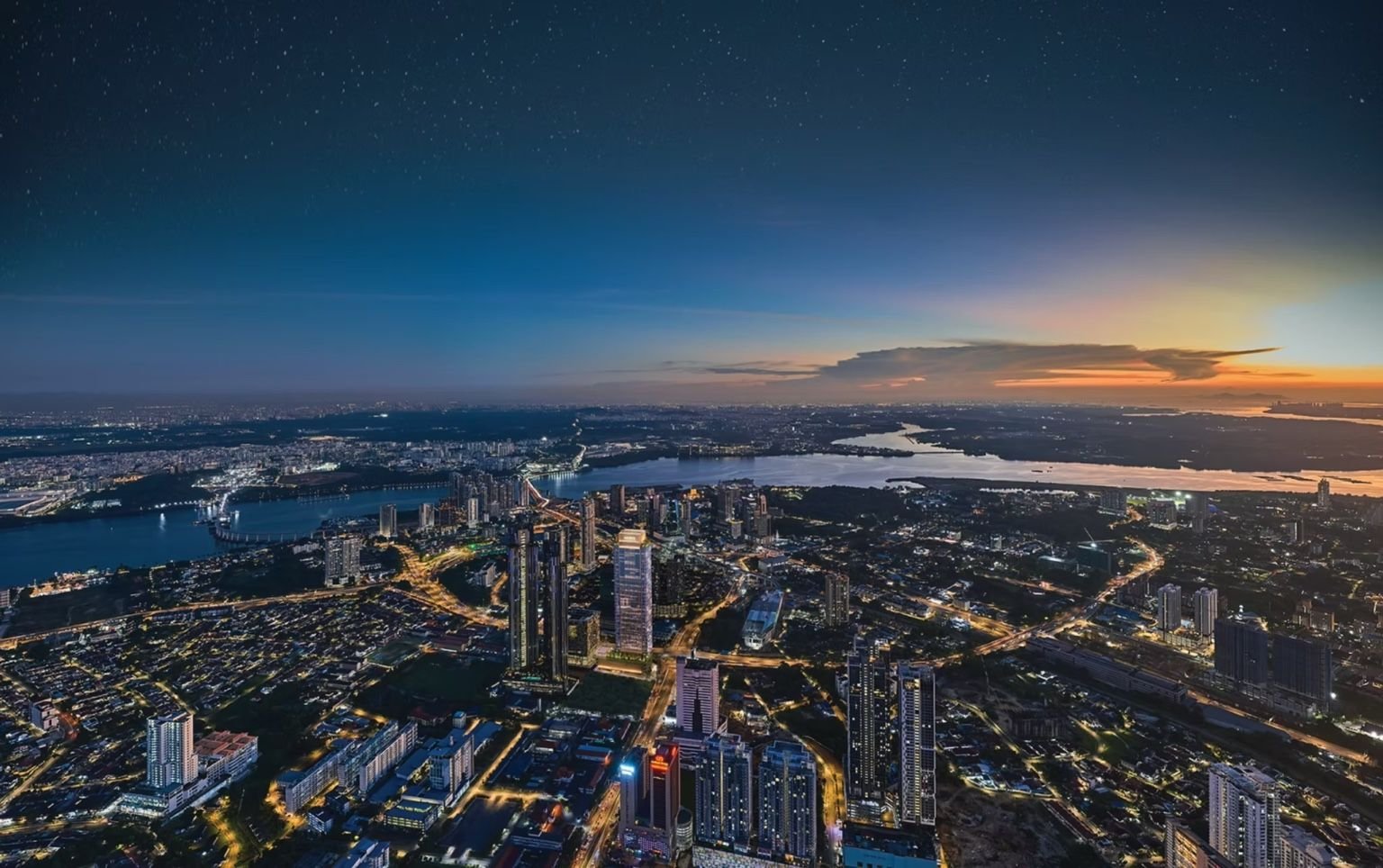
Johor has become one of the most talked-about property markets in Malaysia, particularly among foreign buyers looking for exposure to Singapore-driven demand. In 2026, that interest is no longer speculative. It is being driven by a clear catalyst, the Rapid Transit System (RTS) link, alongside strong rental yields and above-average price growth.
However, Johor is not a straightforward market. While it offers clear upside, particularly in areas linked to the RTS corridor, it also comes with more concentrated demand and less liquidity than markets such as Kuala Lumpur.
The key question is not simply whether Johor is a good place to buy property, but whether it fits your objectives, whether that is rental income, long-term growth, or lifestyle use.
Key Takeaways for Foreign Buyers
- The RTS link is the key driver: Completion in late 2026 will connect Johor Bahru to Singapore in 5 minutes, driving rental demand and price growth near the station.
- Johor is outperforming nationally: Property prices rose 5.3% in 2026 versus 0.7% nationally, reflecting strong local demand and cross-border influence.
- Yields remain attractive: Gross rental yields of 5%–6.5% in central areas make Johor one of Malaysia’s strongest income markets.
- The 8% stamp duty matters, but is manageable: Higher tax costs are offset by stronger yields and long-term growth potential.
- Location is critical: City Centre and Iskandar Puteri are viable for lifestyle and rental, while Forest City is a specialised play.
- Liquidity is more limited than KL: Resale demand is narrower and more dependent on Singaporean buyers, which can lead to longer exit timelines.
The RTS Link: Why Johor’s Property Market Is Changing in 2026
The defining factor for Johor in 2026 is the Rapid Transit System (RTS) Link, scheduled for completion in late 2026. This connection will link Bukit Chagar in Johor Bahru directly to Woodlands North in Singapore, with a journey time of approximately five minutes.
This is not simply a transport upgrade. It has the potential to significantly reshape the relationship between Johor and Singapore, effectively turning parts of Johor Bahru into a lower-cost extension of the Singapore residential market.
Properties within a three-kilometre radius of the RTS station are already seeing rental growth in the region of 10% to 15%, driven by demand from cross-border professionals. This is particularly evident in developments with direct or easy access to the CIQ complex and the RTS terminal.
This creates a very different demand profile compared to other Malaysian markets. Rather than relying primarily on domestic tenants or tourism, Johor’s rental market is increasingly influenced by Singapore-based income levels.
Price Growth and Market Positioning
Johor’s performance in 2026 reflects this shift. Property prices in the state increased by 5.3% year-on-year, significantly outperforming the national average of 0.7%.
This divergence is important. It indicates that Johor is not simply following broader Malaysian trends, but is being driven by its own structural factors, primarily its proximity to Singapore and the impact of the RTS link.
For foreign buyers, this creates a different risk profile compared to markets such as Kuala Lumpur, where supply dynamics play a larger role. In Johor, demand is more tightly linked to a specific and measurable catalyst.
The 8% Stamp Duty and the Investment Case
As of 2026, foreign buyers in Malaysia are subject to a flat 8% stamp duty on residential purchases. This increase has raised entry costs and needs to be factored into any investment decision.
However, in Johor, this is often balanced by stronger rental yields and clearer growth drivers. Gross yields in the range of 5% to 6.5% are achievable in central areas, particularly those linked to the RTS corridor.
When combined with ongoing price growth, this creates a long-term investment case that is less reliant on speculative appreciation and more grounded in income and infrastructure-led demand. For a broader overview of how yields compare across the country, see our Malaysia rental yields outlook.
Liquidity and Resale: What Foreign Buyers Should Understand
One of the key differences between Johor and markets such as Kuala Lumpur is the depth of resale demand.
In Kuala Lumpur, the market is supported by a broad mix of buyers, including local investors, owner-occupiers, and international purchasers. This creates stronger liquidity and more consistent resale activity across different price points.
In Johor, demand is more concentrated. While foreign buyers play an important role, particularly Singaporeans due to proximity and currency advantage, the overall buyer pool is narrower. At the same time, local Malaysian buyers often favour landed property over high-rise condominiums, which can further limit resale demand for certain developments.
This does not mean resale is not possible, but it does mean that exit timelines may be longer and more dependent on market conditions, particularly for higher-density projects.
For this reason, buyers should approach Johor with a clear understanding of their time horizon. It is generally better suited to those comfortable holding property for the medium to long term, rather than those seeking short-term liquidity.

Minimum Price Thresholds for Foreign Buyers
| Property Type | Minimum Price (Foreigner) |
|---|---|
| High-Rise / Condo | RM 1,000,000 |
| Landed Property | RM 2,000,000 |
| Forest City (Special Zone) | RM 500,000 |
These thresholds shape the available market for foreign buyers and are a key factor in determining which developments are accessible. For a detailed overview of eligibility and ownership rules, see our guide to whether foreigners can buy property in Malaysia.
Where to Buy in Johor: Location Matters More Than Ever
| Feature | JB City Centre (RTS) | Iskandar Puteri | Forest City (SFZ) |
|---|---|---|---|
| Lifestyle | Urban / Commuter | Family / Expat | Corporate / Visa |
| Yield Potential | 5.5% – 6.5% | 4.0% – 5.0% | 2.5% – 3.5% |
| Occupancy | High | Stable | Low |
The Johor market cannot be understood as a single entity. Each area serves a different purpose, and choosing the wrong one can significantly impact both rental performance and long-term satisfaction.
Project Examples: Different Strategies in Practice
The Astaka represents a completed, high-end option in Johor Bahru. As the tallest residential building in the city, with private lift lobbies and a dedicated underground connection to the CIQ complex, it is positioned as a long-term ‘legacy’ asset with strong appeal to cross-border professionals.
Quayside @ JBCC, by contrast, is an off-plan development aligned directly with the RTS timeline, with completion scheduled for December 2026. Features such as a cantilevered glass-bottom pool and international brand management position it as a timing-driven play, targeting the surge in demand expected as the RTS becomes operational.
Arden, another off-plan development, reflects a more lifestyle-led approach within Johor Bahru City Centre. Located within the One Bukit Senyum integrated development and approximately 600 metres from the Bukit Chagar RTS station, it combines strong cross-border connectivity with a serviced residence model and on-site amenities, making it relevant for both owner-occupiers and investors targeting Singapore-linked demand.
Sunway City Iskandar Puteri offers a different proposition. As an established, master-planned community with international schools and medical facilities, it is better suited to families and long-term residents seeking stability rather than pure yield.
R&F Princess Cove sits at the opposite end of the spectrum. Its high-density design is supported by its direct 650-metre pedestrian connection to the CIQ and RTS station, making it a highly practical option for daily commuters.
Forest City: A Market That Requires a Different Lens
Forest City is often misunderstood. From a lifestyle perspective, it remains under-occupied, with estimated occupancy levels between 15% and 25%. For buyers seeking a vibrant, established community, this presents a clear drawback.
However, its positioning has shifted significantly. It is now being developed as a Special Financial Zone, with targeted incentives designed to attract corporate and high-net-worth activity.
This includes a dedicated MM2H tier with a lower fixed deposit requirement, starting from $32,000 USD for applicants aged 50 and above, and $65,000 USD, for those under 50, as well as corporate tax incentives such as a 5% tax rate for qualifying financial and technology firms and extended tax holidays for family office structures.
As a result, Forest City should not be evaluated in the same way as the rest of Johor. It is not a conventional lifestyle or rental market. It is a specialised play linked to visa and corporate structuring.
For most buyers, the distinction is simple. If the objective is rental income or personal use, focus on Johor Bahru City Centreor Iskandar Puteri. If the objective is access to specific tax or residency advantages, Forest City may be worth considering within that narrower context.

Is Johor Right for You?
Johor is not a uniform market, and it is not suitable for every type of buyer. Its strength lies in a specific combination of factors that are not easily replicated elsewhere in Malaysia.
For investors, the combination of relatively high yields, infrastructure-driven demand, and proximity to Singapore creates a compelling case, particularly in areas linked to the RTS corridor.
For lifestyle buyers, the appeal is more selective. Johor Bahru offers convenience and connectivity, while Iskandar Puteri provides a more traditional residential environment with established amenities.
For buyers exploring Malaysia more broadly, it is worth understanding how Johor compares to other regions. See our guide to the best places to buy property in Malaysia, as well as our overview of whether foreigners can buy property in Malaysia.
For those considering relocation, residency options such as MM2H may also form part of the decision-making process, particularly when combined with property ownership and long-term planning. See our MM2H 2026 guide for a detailed breakdown.
If you are considering Johor as part of your property strategy, we can help you compare both off-plan developments and completed properties across different parts of the market, from RTS-linked city centre projects to established communities in Iskandar Puteri.
Browse our Johor property listings to explore current opportunities and see how they align with your objectives.
Is Johor a Good Place to Buy Property for Foreigners: FAQ
-
Yes, Johor can be a good option for foreign buyers, particularly those seeking rental income linked to Singapore or long-term growth driven by infrastructure such as the RTS link. However, it is a more specialised market than Kuala Lumpur and requires careful location selection.
-
The RTS link is expected to significantly improve connectivity between Johor Bahru and Singapore, with a journey time of around five minutes. Properties located near the Bukit Chagar station are already seeing increased demand, particularly from cross-border professionals, which is supporting both rental growth and price appreciation.
-
Johor and Kuala Lumpur serve different purposes. Johor offers higher rental yields in certain areas and benefits from Singapore-linked demand, while Kuala Lumpur provides deeper liquidity, broader buyer demand, and a more established resale market.
-
Rental yields in Johor can range from approximately 5% to 6.5% in central areas, particularly those linked to the RTS corridor. Yields in other parts of the market may be lower depending on location and property type.
-
Yes, foreigners can buy property in Johor, subject to minimum price thresholds. For most high-rise properties, this starts at RM 1,000,000, with higher thresholds applying to landed homes.
-
Forest City is a specialised market. It currently has lower occupancy levels compared to other parts of Johor, which can limit rental demand. However, it offers specific advantages linked to its Special Financial Zone status, including visa and tax incentives, which may appeal to certain buyers.
-
Johor can suit lifestyle buyers, particularly those seeking proximity to Singapore or established communities such as Iskandar Puteri. However, it is generally more functional and connectivity-driven than markets like Penang, and may not suit all lifestyle preferences.
-
Resale liquidity in Johor is more limited than in Kuala Lumpur, with demand more concentrated among specific buyer groups, particularly Singaporeans. This means that exit timelines can be longer and more dependent on market conditions.
