
Where Is the Best Place to Retire in Thailand? Comparing Hua Hin, Phuket, Chiang Mai & More (2026)
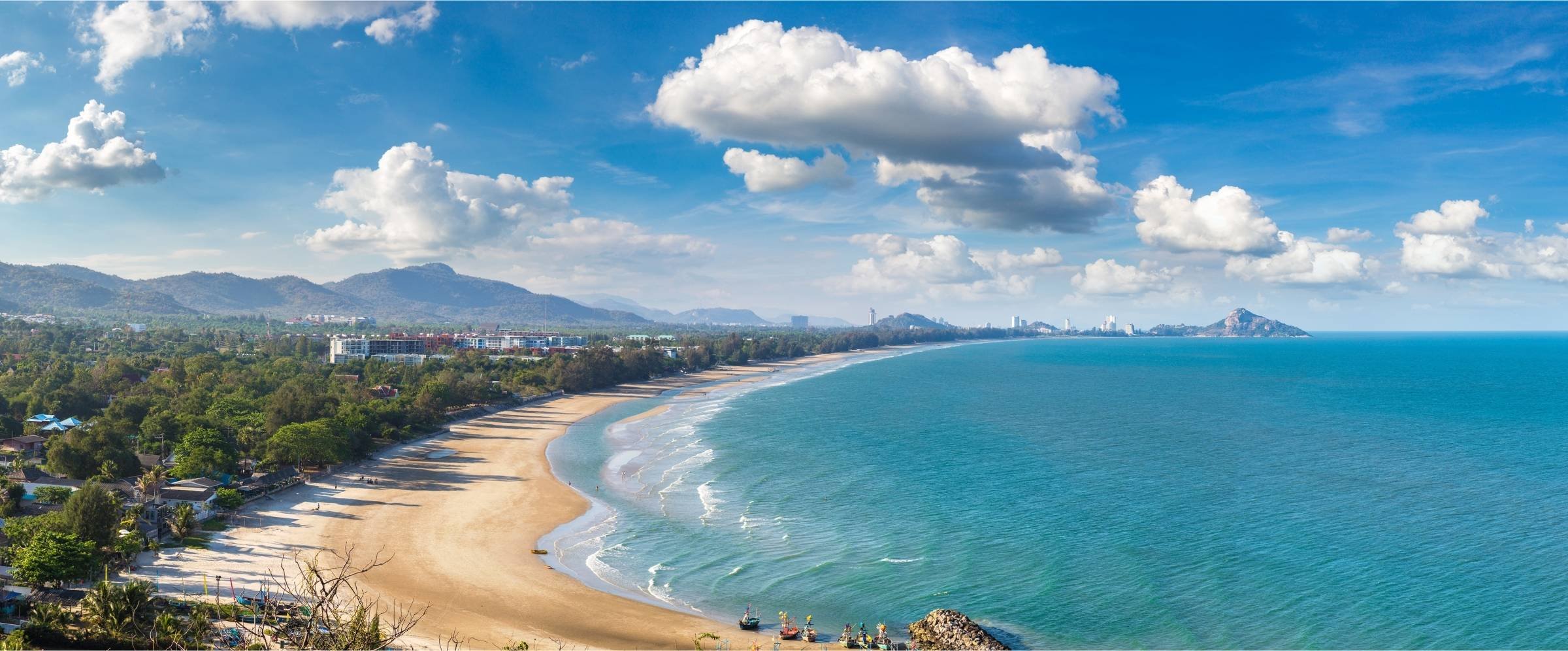
Thailand has become one of the world’s most popular retirement destinations, attracting overseas buyers with its warm climate, modern healthcare, established expat communities and diverse property market. Whether you’re planning to relocate permanently or spend part of the year in Southeast Asia, the country offers retirement lifestyles ranging from relaxed beach towns and tropical islands to vibrant cities and cultural centres.
The challenge isn’t deciding whether Thailand is a good place to retire, it’s deciding where. Each destination offers a different balance of lifestyle, healthcare, cost of living, property prices and day-to-day convenience. A location that suits someone looking for peaceful beachfront living may be completely different from the right choice for a retiree who wants world-class hospitals, international dining and easy access to family overseas.
This guide compares six of Thailand’s most popular retirement destinations, Hua Hin, Chiang Mai, Phuket, Pattaya, Koh Samui and Bangkok, to help you identify which best matches your lifestyle and long-term plans.
Best Places to Retire in Thailand: Key Takeaways
- Hua Hin offers one of the strongest all-round retirement lifestyles: It combines a relaxed coastal setting, established healthcare, golf courses, straightforward access to Bangkok and comparatively good-value property.
- Chiang Mai is particularly attractive for affordability and culture: Retirees benefit from lower day-to-day costs, respected private hospitals, a large international community and cooler winter temperatures, although seasonal air quality is an important consideration.
- Phuket is best suited to buyers seeking a premium coastal lifestyle: The island offers excellent private healthcare, international flight connections, luxury developments and a wide choice of beaches, but generally comes with higher property and living costs.
- Pattaya provides strong value and convenience: Areas such as Jomtien and Pratumnak offer a more residential lifestyle, with competitive property prices, quality healthcare, golf courses and easy access to Bangkok.
- Koh Samui appeals to retirees prioritising island living: It offers a slower pace, attractive beaches and a growing luxury property market, although specialist healthcare and transport options are more limited than in Bangkok or Phuket.
- Bangkok is the strongest option for healthcare and urban convenience: Retirees have access to leading private hospitals, extensive public transport, international dining, direct flights and a broad choice of low-maintenance condominiums.
Why Thailand Continues to Attract International Retirees
Thailand has long been recognised as one of Asia’s leading retirement destinations, but today’s appeal extends well beyond its tropical climate.
For many overseas buyers, the attraction is the opportunity to enjoy a higher quality of life. Modern condominiums with swimming pools, gyms and concierge services are often available for considerably less than equivalent properties in many Western countries, while everyday expenses such as dining out, domestic travel and household services can also be significantly lower.
Healthcare is another major consideration. Thailand has developed an international reputation for private medical care, with hospitals in Bangkok, Phuket and Hua Hin treating patients from around the world. This gives many retirees confidence that they can enjoy an active lifestyle while still having access to high-quality healthcare when needed.
Retirees also benefit from genuine choice. Unlike many countries where retirement destinations offer a fairly similar lifestyle, Thailand allows buyers to choose between cosmopolitan city living, relaxed seaside towns, tropical islands or cooler mountain environments, all within the same country.
If you’re planning a long-term move, it’s also worth understanding Thailand’s visa options. Our guides explain the Thailand Long-Stay Visa linked to qualifying property investment, the Thailand Privilege Visa, and other long-term residency options available to eligible overseas buyers.
Hua Hin
Best for: Buyers seeking a relaxed coastal lifestyle with excellent healthcare
If you asked experienced expats to recommend one destination for retirement in Thailand, Hua Hin would appear on almost every shortlist.
Around three hours south of Bangkok, Hua Hin has developed a reputation for offering one of the country’s most balanced lifestyles. It combines long sandy beaches, championship golf courses, modern shopping centres and excellent healthcare without the pace or congestion found in larger cities.
One of Hua Hin’s greatest strengths is that it feels like a place designed for long-term living rather than short-term tourism. While visitors arrive throughout the year, the town has a settled atmosphere that appeals to retirees planning to make Thailand their permanent or seasonal home. Cafés, beachfront restaurants and local markets sit comfortably alongside international supermarkets, private hospitals and everyday services, making day-to-day life straightforward.
Healthcare is a particularly important advantage. Facilities such as Bangkok Hospital Hua Hin have helped establish the town as a popular choice for international retirees who want easy access to quality medical care without living in Bangkok.
Property also represents good value compared with some of Thailand’s other coastal destinations. Buyers can choose from modern condominiums close to the beach, low-rise developments and luxury residences, often at prices below comparable properties in Phuket.
For retirees who enjoy golf, Hua Hin is arguably Thailand’s premier destination, with several highly regarded courses located within a short drive of the town centre. Combined with its walkable beachfront, relaxed pace of life and growing international community, it’s easy to understand why so many overseas buyers continue to choose Hua Hin.
The main consideration is that Hua Hin offers a quieter lifestyle. Those looking for a vibrant nightlife or extensive international shopping may prefer Bangkok or Phuket, but many retirees see Hua Hin’s calmer atmosphere as one of its greatest strengths.
Learn more: Is Hua Hin a Good Place to Buy Property?or explore our Hua Hin property collection.
Chiang Mai
Best for: Affordable retirement and cultural living
For retirees who value culture, affordability and a slower pace of life, Chiang Mai offers a compelling alternative to Thailand’s coastal destinations.
Surrounded by mountains in northern Thailand, Chiang Mai has become one of Southeast Asia’s best-known cities for long-term international residents. Its historic Old City, thriving café culture and extensive international community create a welcoming environment for newcomers, while living costs remain among the lowest of Thailand’s major retirement destinations.
Property prices are typically more accessible than Bangkok or Phuket, allowing buyers to purchase modern condominiums or spacious homes at comparatively attractive prices. Combined with lower day-to-day living expenses, Chiang Mai appeals particularly to retirees seeking excellent value without compromising on lifestyle.
Healthcare is another major advantage. The city is home to several respected private hospitals and specialist medical facilities, providing reassurance for retirees planning to live in Thailand long term.
Chiang Mai also offers a very different daily experience from Thailand’s beach resorts. Markets, temples, galleries and surrounding national parks provide plenty of opportunities to stay active, while the cooler temperatures during the winter months are welcomed by many retirees escaping hotter parts of the country.
One factor worth considering is seasonal air quality. During parts of the year, agricultural burning can affect pollution levels, something prospective retirees should research alongside other lifestyle considerations. For many long-term residents, however, the city’s affordability, friendly atmosphere and quality of life continue to outweigh this seasonal issue.
If your ideal retirement centres on culture, community and value rather than beachfront living, Chiang Mai deserves serious consideration.
Learn more: Is Chiang Mai a Good Place to Buy Property? or browse properties in Chiang Mai.
Phuket
Best for: Luxury coastal living with world-class amenities
For retirees who picture morning walks along the beach, afternoons on the golf course and evenings dining by the marina, Phuket is difficult to overlook. Thailand’s largest island has evolved into one of Southeast Asia’s premier lifestyle destinations, offering an exceptional blend of natural beauty, modern infrastructure and international convenience.
Unlike many holiday destinations that quieten outside the tourist season, Phuket supports a substantial year-round international community. This means retirees benefit from a mature infrastructure, including international supermarkets, private healthcare, shopping centres, sports clubs and social groups that make settling into daily life much easier.
The island also offers remarkable variety. The west coast alone provides very different lifestyles depending on where you choose to live. Bang Tao has become one of Phuket’s most desirable residential areas, combining luxury developments, beach clubs, golf courses and the Laguna resort complex. Layan offers a quieter, more exclusive atmosphere, while Kamala appeals to buyers looking for hillside residences and spectacular sea views. Rawai, in the south, has developed a loyal following among long-term expats who prefer a more residential environment with easy access to neighbouring islands.
Healthcare is another major strength. Phuket International Hospital and Bangkok Hospital Phuket provide high-quality private medical care, giving retirees confidence that everyday healthcare needs can be managed locally.
Property buyers also benefit from one of Thailand’s most diverse residential markets. Modern condominiums, branded residences, beachfront apartments and luxury villas are all available, although prices are generally higher than destinations such as Hua Hin or Pattaya. Many buyers view this as a worthwhile premium given Phuket’s international appeal, established infrastructure and long-term desirability.
The island’s international airport provides direct connections to numerous destinations across Asia and seasonal routes to Europe and the Middle East, making it particularly convenient for retirees who expect regular visits from family or plan to travel frequently.
The main consideration is cost. Phuket generally commands higher property prices and living expenses than many other parts of Thailand. However, for retirees seeking a premium lifestyle with excellent amenities and international standards of healthcare, few destinations offer a more complete package.
Discover more: Where Is the Best Place to Buy Property in Phuket? or browse our latest Phuket developments.
Pattaya
Best for: Value, convenience and active retirement
Pattaya has changed dramatically over the past two decades, yet many people’s perceptions have not kept pace.
While the city retains areas associated with its entertainment industry, today’s Pattaya is also home to modern residential neighbourhoods, waterfront developments, international hospitals, golf courses and an increasingly diverse international community. For retirees prepared to look beyond outdated stereotypes, it represents one of Thailand’s strongest value propositions.
Neighbourhood choice makes a significant difference. Areas such as Pratumnak Hill and Jomtien offer a noticeably different atmosphere from Central Pattaya, attracting buyers looking for quieter beaches, modern condominiums and a more relaxed daily lifestyle. Many retirees rarely venture into the entertainment districts, instead enjoying cafés, local markets, beachfront walks and a growing selection of international restaurants.
Healthcare is another important advantage. Pattaya is served by several well-regarded private hospitals, while Bangkok’s specialist medical facilities are easily accessible by road should more advanced treatment ever be required.
Property affordability is one of Pattaya’s biggest attractions. Buyers often find that their budget stretches considerably further than in Phuket or central Bangkok, allowing them to purchase larger condominiums or higher-specification developments with extensive facilities.
Infrastructure continues to strengthen Pattaya’s long-term appeal. Improved motorway connections have already reduced journey times to Bangkok, while future transport improvements are expected to make travel even more convenient. Combined with U-Tapao International Airport and ongoing investment throughout the Eastern Economic Corridor (EEC), Pattaya is evolving into much more than a traditional beach resort.
For retirees who value an active lifestyle, Pattaya also offers excellent golf courses, marinas, sailing, fitness facilities and easy access to nearby islands such as Koh Larn for day trips.
Although Pattaya may not suit buyers seeking a quiet provincial town, it offers an appealing combination of affordability, convenience and lifestyle that many retirees find difficult to match elsewhere in Thailand.
Discover more: Where Is the Best Place to Buy Property in Pattaya? or explore properties in Pattaya.
Koh Samui
Best for: Tropical island living at a gentler pace
For some retirees, moving to Thailand is about embracing island life, and few places capture that aspiration better than Koh Samui.
Compared with Phuket, Samui offers a slower, more relaxed atmosphere while still providing many of the comforts international buyers expect. Beautiful beaches, boutique shopping, excellent restaurants and an expanding collection of luxury residential developments have transformed the island into one of Thailand’s most desirable lifestyle destinations.
Different parts of the island cater to different priorities. Bophut combines a lively waterfront with the popular Fisherman’s Village, while Choeng Mon offers a quieter residential environment. Chaweng provides the widest range of amenities and entertainment, whereas areas such as Bangrak appeal to buyers looking for convenience and easy airport access.
One of Samui’s greatest strengths is its pace of life. Traffic is lighter than Phuket, journeys across the island are relatively short and many retirees find the more intimate scale contributes to a greater sense of community.
Unlike Bangkok, Pattaya or many parts of Phuket, Koh Samui’s property market is centred more on private villas than high-rise condominiums. Buyers looking for larger homes, private pools and panoramic sea views are particularly well served, while a growing selection of boutique condominium and resort-style developments also provides lower-maintenance options for overseas buyers. Many projects are designed around resort living, with facilities such as swimming pools, fitness centres, landscaped gardens and professional management.
Healthcare is good for routine medical care, with several quality private hospitals serving the island. However, buyers with more complex medical requirements should recognise that Bangkok and Phuket offer a broader range of specialist healthcare services. Some retirees see this as an important consideration, while others are comfortable travelling to the mainland if specialist treatment is ever required.
For buyers who dream of morning swims, sea views and a slower rhythm of life, Koh Samui remains one of Thailand’s most attractive retirement destinations.
Discover more: Where Is the Best Place to Buy Property in Koh Samui? or browse our Koh Samui developments.
Bangkok
Best for: World-class healthcare, convenience and cosmopolitan living
Although Thailand’s beaches often dominate retirement discussions, Bangkok deserves far more attention than it typically receives.
For many retirees, particularly those prioritising healthcare, transport and convenience, the capital offers advantages that few destinations in Asia can match. The city is home to internationally recognised private hospitals, an extensive public transport network, world-class dining, luxury shopping and direct flights to destinations across the globe.
Living in Bangkok also doesn’t necessarily mean embracing the pace of a busy metropolis. Neighbourhoods such as Sathorn, Ari and Riverside offer a noticeably different experience from the city’s commercial districts, combining modern condominiums with parks, cafés and quieter residential streets.
Healthcare is perhaps Bangkok’s greatest advantage. Hospitals such as Bumrungrad International Hospital, Bangkok Hospital and Samitivej attract patients from around the world, providing retirees with access to some of Asia’s leading medical specialists.
The city’s condominium market also offers enormous choice. Whether you’re looking for a compact apartment close to the BTS, a luxury branded residence or a riverside development with hotel-style facilities, Bangkok caters to a broad range of budgets and lifestyles.
For internationally minded retirees, Bangkok’s connectivity is another major attraction. Frequent flights make it easy to visit family overseas or explore the wider Asia-Pacific region, while domestic connections place Thailand’s beaches and islands within easy reach.
The main compromise is obvious: Bangkok lacks the relaxed coastal atmosphere offered by destinations such as Hua Hin or Phuket. However, for retirees who value convenience, healthcare and an active urban lifestyle, it remains one of Thailand’s strongest retirement choices.
Discover more: Where Is the Best Place to Buy Property in Bangkok? or explore Bangkok property opportunities.

Which Retirement Destination Is Right for You?
Each of Thailand’s leading retirement destinations offers something different. Some buyers prioritise world-class healthcare and international connectivity, while others are looking for a quieter coastal lifestyle, lower living costs or the space and privacy of a villa.
The comparison below highlights the key differences between Thailand’s most popular retirement locations, helping you identify which destination best matches your lifestyle, budget and long-term retirement plans.
| Location | Lifestyle | Healthcare | Cost Position | Property Market | Best Suited To | Main Consideration |
|---|---|---|---|---|---|---|
| Hua Hin | Relaxed coastal living, golf, cafés and a settled long-term community. | Strong private healthcare provision, including established international-standard hospitals. | Generally more affordable than Phuket and central Bangkok. | Beachfront condominiums, low-rise residences and larger resort-style developments. | Retirees seeking a balanced combination of beach living, healthcare and value. | Quieter nightlife and fewer international flight connections than Phuket or Bangkok. |
| Chiang Mai | Cultural city living, mountain scenery, cafés, markets and a slower pace. | Several respected private hospitals and specialist medical facilities. | Usually among the lowest living and property costs of the locations compared. | Affordable condominiums, larger homes and residential developments outside the centre. | Retirees prioritising affordability, culture and community over beach access. | Seasonal air pollution can affect quality of life during parts of the year. |
| Phuket | Premium beach lifestyle, marinas, golf, international dining and resort amenities. | Excellent private hospitals and a broad range of healthcare services. | Generally one of Thailand's more expensive retirement destinations. | Luxury condominiums, branded residences, beachfront apartments and villas. | Buyers seeking international convenience and high-quality coastal living. | Higher property prices, living costs and traffic levels in popular areas. |
| Pattaya | Active coastal lifestyle with beaches, golf, marinas, shopping and entertainment. | Good private healthcare locally, with Bangkok also accessible by road. | Often offers better value than Phuket or central Bangkok. | A broad condominium market, including good-value beachfront and resort-style developments. | Retirees looking for value, convenience and a wide range of amenities. | The atmosphere varies considerably between Central Pattaya, Jomtien and Pratumnak. |
| Koh Samui | Tropical island living, beaches, boutique restaurants and a slower daily rhythm. | Suitable for routine private healthcare, but specialist services are more limited. | Can be relatively expensive due to island logistics and premium property demand. | Villa-led market with private pool homes, sea-view residences and a smaller but growing condominium sector. | Retirees who value privacy, scenery and a relaxed island lifestyle. | More limited specialist healthcare, public transport and international connectivity. |
| Bangkok | Cosmopolitan city living with dining, shopping, culture and extensive transport. | Thailand's strongest concentration of internationally recognised private hospitals. | Costs vary significantly by district, with prime central areas commanding a premium. | Extensive condominium choice, from practical BTS-connected apartments to branded residences. | Retirees prioritising healthcare, convenience, transport and international connectivity. | Traffic, air quality and the pace of city life may not suit those seeking a quieter retirement. |
Buying Property for Retirement in Thailand
Many retirees choose to buy a property once they’ve found the location that best suits their lifestyle. While Thailand’s ownership rules differ from those in many Western countries, purchasing property as a foreign buyer is well established and straightforward when you understand the legal framework.
Foreigners can legally own freehold condominiums, making them the most popular choice for overseas retirees. If you’re considering a house or villa, different ownership structures apply, as foreigners cannot directly own land in Thailand.
Before purchasing, it’s also worth understanding the costs involved, including legal fees, transfer fees and ongoing maintenance charges. Some buyers purchase with cash, while others explore developer finance or specialist lending options.
For a more detailed guide, see:
Long-Stay Visa Options for Retiring in Thailand
Choosing where to retire is only part of the process. If you plan to spend extended periods living in Thailand, you’ll also need to ensure you have the right visa.
While buying property in Thailand does not automatically grant residency, there are several long-stay visa options available depending on your age, financial circumstances and how you plan to live in the country.
Some retirees may qualify for Thailand’s Long-Stay Visa linked to eligible property investment, while others may find the Thailand Privilege Visa or a traditional retirement visa more suitable.
To learn more about your options, explore our dedicated guides:
If you’re purchasing a qualifying property through Alestria Property, we can also provide complimentary guidance on the Thailand Long-Stay Visa application process and introduce trusted legal and immigration specialists where required.
Explore Thailand Properties for Retirement
If you’re considering retiring in Thailand, exploring properties in different locations is a great way to understand what’s available and what best suits your lifestyle and budget.
Browse our selection of Thailand properties for sale, including condominiums, villas and retirement-friendly developments in Hua Hin, Phuket, Bangkok, Pattaya, Chiang Mai and Koh Samui.
Best Places to Retire in Thailand: FAQs
-
For many overseas retirees, Thailand offers an excellent quality of life thanks to its warm climate, modern healthcare, relatively affordable cost of living and wide choice of retirement destinations. Whether you prefer a beachfront lifestyle, mountain scenery or the convenience of city living, Thailand offers options to suit a range of budgets and lifestyles.
-
It depends on your priorities. Hua Hin is popular for its relaxed coastal lifestyle and healthcare, Phuket offers luxury living and international connectivity, Chiang Mai appeals to those seeking culture and affordability, Pattaya provides excellent value and amenities, Koh Samui is ideal for tropical island living, while Bangkok offers world-class healthcare and city convenience.
-
Yes. Foreigners can legally purchase freehold condominium units in Thailand, making them a popular choice for retirees. Different ownership rules apply to houses and villas, as foreigners cannot directly own land. You can learn more in our guide to buying property in Thailand.
-
No. Purchasing property does not automatically grant residency or a visa. However, Thailand offers several long-stay visa options, including the Thailand Long-Stay Visa linked to qualifying property investment, the Thailand Privilege Visa and traditional retirement visas, depending on your circumstances.
-
Chiang Mai generally offers the lowest day-to-day living costs among Thailand’s major retirement destinations, while Pattaya also provides excellent value with modern amenities and a wide range of property options. However, affordability should be balanced against lifestyle, healthcare access and long-term priorities.
-
Bangkok is home to Thailand’s largest concentration of internationally recognised private hospitals and medical specialists. Phuket, Hua Hin and Chiang Mai also offer excellent private healthcare, while Koh Samui provides good routine medical care with more complex treatments sometimes requiring travel to the mainland.
-
Many retirees choose to rent initially while they explore different locations before purchasing a home. Others prefer to buy immediately once they have decided where they want to live. The right approach depends on your long-term plans, budget and familiarity with the local market.
-
Yes. We help overseas buyers compare retirement destinations, identify suitable properties and navigate the buying process, while also introducing trusted legal, visa and relocation specialists where required. Whether you’re still exploring your options or ready to begin your search, we’re here to help.
