
Where Is the Best Place to Buy Property in Pattaya (2026)?
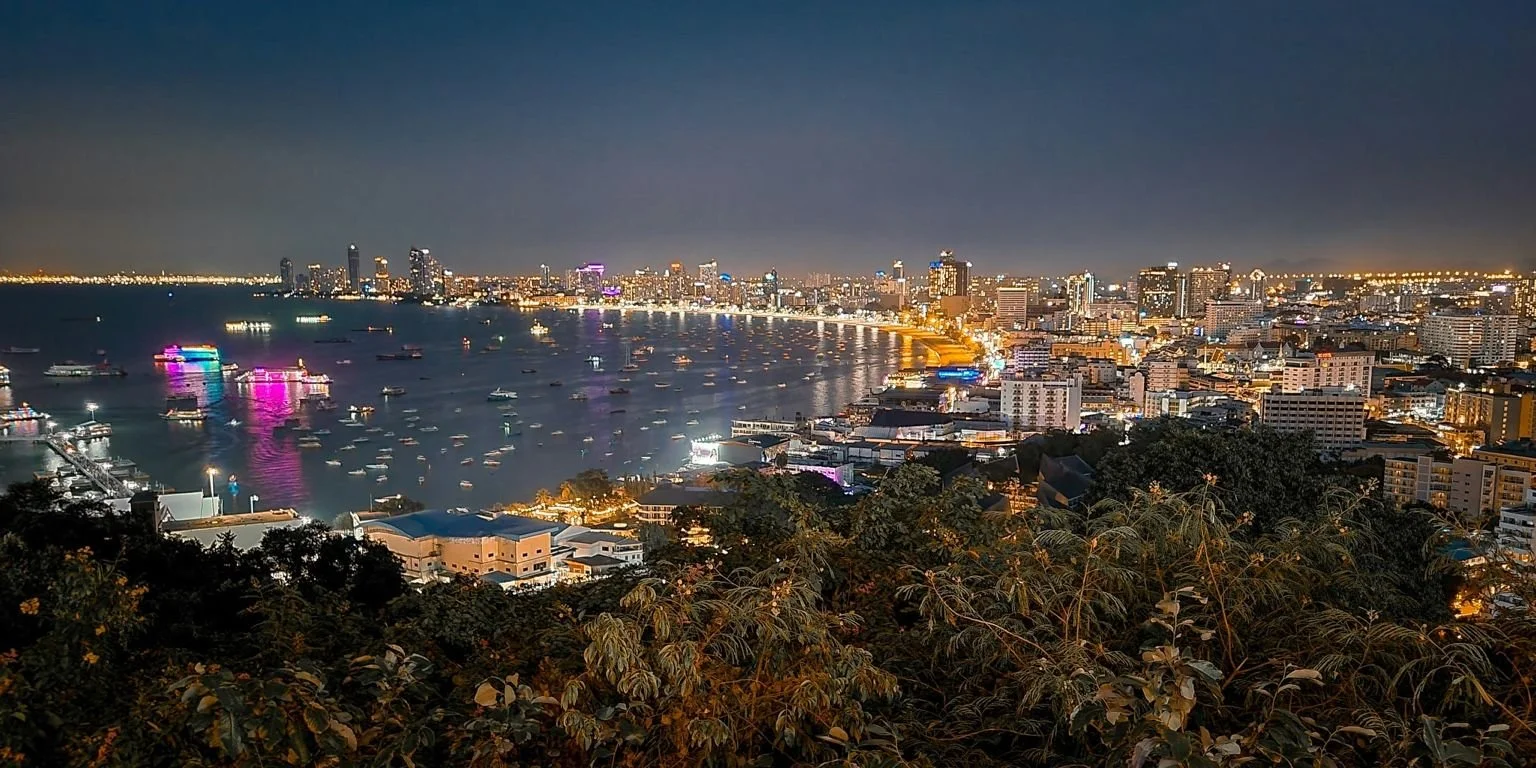
Pattaya is located approximately 150 kilometres southeast of Bangkok along Thailand’s Eastern Seaboard. Travel time by road is typically between two and two-and-a-half hours, depending on traffic and departure point. This proximity to the capital shapes Pattaya’s property market in ways that differ meaningfully from resort-driven island markets.
Unlike Phuket, which operates primarily as a tourism-led island destination, Pattaya functions as a year-round coastal city. It supports permanent residents, Bangkok-based second-home buyers, long-stay foreign tenants and short-stay visitors. That blend of domestic and international demand creates a layered property ecosystem rather than a single-theme resort market.
Entry pricing in Pattaya generally remains below prime Phuket beachfront corridors, particularly outside the premium northern shoreline. However, Pattaya is not a uniform coastline. Its districts vary significantly in density, beach positioning, pricing behaviour and buyer profile.
For buyers, the more useful question is not whether Pattaya is attractive, but which submarket aligns with their objective.
Pattaya Property: Key Takeaways (2026)
- Pattaya is Bangkok’s coastal market: Located approximately 150 km southeast of Bangkok, it operates as both a full-time residential city and a weekend destination for Bangkok-based buyers.
- Southern Pattaya offers lower-density beachfront: Jomtien, Na Jomtien and Baan Amphur provide coastal positioning with more residential character and typically lower pricing than premium northern shoreline zones.
- Wongamat represents the premium strip: North Pattaya’s established luxury beachfront corridor, characterised by high-rise towers and direct sea frontage.
- Central Pattaya prioritises convenience and turnover: The commercial core supports urban living and higher rental liquidity, rather than resort-style seafront positioning.
Understanding Pattaya as a Property Market
Pattaya occupies a middle ground within Thailand’s property landscape.
Bangkok is defined by its role as the country’s political and economic centre. Phuket is defined primarily by its resort identity and international tourism cycles. Pattaya, by contrast, is a mainland coastal city that integrates domestic demand with foreign ownership activity.
Its position within Chonburi Province and the broader Eastern Economic Corridor links it more closely to Bangkok’s economic orbit than island markets. At the same time, its shoreline remains central to its identity and value proposition.
This combination produces multiple demand layers:
Bangkok-based buyers purchasing second homes.
Long-stay foreign residents relocating for lifestyle reasons.
Investors targeting rental income.
Buyers prioritising direct beach access without island isolation.
Pattaya should therefore be analysed as a hybrid coastal city, not purely tourism-driven, and not purely corporate-led.
The Best Areas to Buy Property in Pattaya
Jomtien
Jomtien lies directly south of Central Pattaya and represents one of the city’s most established residential corridors. Over the past two decades, extensive condominium development has taken place along Jomtien Beach Road and adjacent streets.
The result is depth of supply. Buyers can access a wide range of unit types and price bands, from compact one-bedroom units to larger sea-view layouts. Infrastructure is practical and daily amenities are well distributed.
Jomtien’s defining characteristic is accessibility rather than scarcity. Because of the volume of development, resale activity tends to be more consistent than in niche beachfront micro-markets. For foreign buyers entering Pattaya for the first time, Jomtien often offers a lower barrier to entry compared with premium shoreline zones.
The trade-off is density. Jomtien is more built-up than southern coastal stretches and does not provide the same separation from urban activity.
Na Jomtien & Baan Amphur (Southern Pattaya Coast)
Moving south from Jomtien, the coastline transitions into Na Jomtien and then Baan Amphur within Sattahip District. Although administratively outside Pattaya City municipality, this corridor is generally considered part of the wider Pattaya property market.
This southern stretch typically features lower density, larger land plots and reduced commercial intensity. The atmosphere is more residential than central Pattaya, and direct beachfront positioning is more prominent relative to inland corridors.
The Panora Estuaria is located in Baan Amphur, Na Jomtien. This submarket is often regarded as a balanced coastal zone, offering beachfront proximity while remaining connected to Pattaya’s infrastructure. Compared with Wongamat Beach in North Pattaya, entry pricing in the southern corridor is typically lower, though positioning remains shoreline-focused.
For buyers prioritising a calmer coastal environment without complete isolation from city services, Na Jomtien and Baan Amphur warrant serious consideration.
Pratumnak Hill
Pratumnak Hill sits between Central Pattaya and Jomtien and functions as a transitional district. Elevated sections offer partial sea views, though the area is not primarily defined by direct beachfront frontage.
Development tends to be mid-rise rather than high-rise, contributing to a more contained residential feel. Density is generally lower than central Pattaya, yet higher than the southern coastal belt.
Pratumnak appeals to buyers seeking proximity without full immersion in commercial zones. It is often chosen by lifestyle-oriented purchasers who prefer boutique-scale developments and neighbourhood character over large high-rise clusters.
Wongamat Beach
Wongamat Beach in North Pattaya is widely regarded as the city’s premium shoreline corridor. High-rise towers dominate the beachfront, many positioned directly along the sand.
Land scarcity in this northern stretch has historically supported stronger pricing relative to Jomtien. Wongamat tends to attract capital-preservation buyers and those prioritising direct sea frontage and uninterrupted views.
The environment is more vertical and more concentrated than southern zones. Entry pricing typically reflects this premium positioning.
Central Pattaya
Central Pattaya forms the commercial core of the city. Its defining features are proximity to retail centres, hospitals, entertainment venues and transport corridors rather than residential tranquillity.
While Pattaya Beach remains accessible, the atmosphere is distinctly urban. Rental turnover can be higher due to foot traffic and visitor flow. However, the area lacks the privacy and shoreline emphasis of Wongamat or southern coastal districts.
Central Pattaya often attracts investors prioritising convenience and liquidity over beachfront lifestyle positioning.
Pattaya Submarket Comparison
The table below provides a high-level comparison of Pattaya’s main residential zones. Individual buildings, view corridors, foreign quota availability and direct beach frontage can materially influence value beyond area labels.
| Area | Density | Beach Positioning | Typical Buyer Fit | How It Behaves |
|---|---|---|---|---|
| Jomtien | Medium–High | Beachfront & near-beach | Entry-level coastal buyers, long-stay focus | Established residential corridor with broad condominium supply and generally stronger resale liquidity. |
| Na Jomtien & Baan Amphur | Lower | Direct beachfront sites are more common | Buyers prioritising calmer beachfront positioning | Southern coastal belt with lower density and more residential character. |
| Pratumnak Hill | Medium | Sea views in parts | Lifestyle-led purchasers | Transitional district between Pattaya and Jomtien, typically mid-rise in nature. |
| Wongamat | High | Premium direct beachfront | Capital preservation & premium buyers | North Pattaya shoreline corridor with high-rise luxury concentration. |
| Central Pattaya | High | Urban beach access | Convenience and turnover-focused investors | Commercial core near retail and services; more urban than residential-coastal. |
Pattaya vs Phuket vs Bangkok
Capital allocation decisions benefit from national context.
Bangkok is Thailand’s economic centre. Its property market is closely linked to corporate tenancy and long-term urban demand.
Phuket is an island resort market, heavily influenced by tourism cycles and holiday ownership patterns.
Pattaya differs from both. It combines mainland connectivity with direct sea frontage. It is less dependent on international flight arrivals than Phuket and less corporate-dependent than Bangkok.
For buyers seeking coastal exposure integrated into a mainland economy, Pattaya represents a distinct middle ground.
Can Foreigners Buy Property in Pattaya?
Foreign buyers may purchase condominium units freehold in Pattaya. Thai law permits foreign ownership of up to 49% of the total saleable area within any condominium building.
Foreigners cannot own land freehold. Villas are commonly structured through leasehold arrangements for foreign buyers. Leasehold is widely used in Thailand and can be a viable form of tenure, but buyers must carefully review lease duration, renewal provisions and developer track record before committing.
These legal structures apply consistently across Pattaya, Phuket and Bangkok. A detailed explanation of Thailand’s foreign ownership structure is covered in our guide to buying property in Thailand as a foreigner.

What Type of Property Aligns Best with Different Strategies?
Condominiums dominate Pattaya’s foreign buyer market due to their eligibility for freehold ownership within the 49% quota.
Beach proximity often supports stronger long-term positioning compared with inland units, particularly where direct sea frontage exists. However, density influences liquidity. High-volume areas such as Jomtien may provide broader resale markets, while beachfront corridors such as Wongamat and Na Jomtien offer relative scarcity positioning.
Rental performance is influenced by management structure, unit specification and pricing discipline as much as by district selection.
Villas, structured through leasehold for foreign buyers, may suit lifestyle purchasers comfortable with longer holding periods and detailed due diligence.
Final Perspective
The right area in Pattaya depends on what a buyer is optimising for: beachfront scarcity, lower-density positioning, resale liquidity or urban convenience.
Jomtien provides accessibility and established supply. Na Jomtien and Baan Amphur offer calmer beachfront positioning. Wongamat concentrates premium shoreline towers. Pratumnak Hill balances proximity with neighbourhood scale. Central Pattaya prioritises commercial connectivity.
Pattaya’s advantage lies in its flexibility. It is a mainland coastal city with layered demand drivers and multiple entry points, allowing capital to be positioned according to strategy rather than branding.
Considering Pattaya property?
If you’re evaluating which submarket aligns with your strategy, we can provide current availability, foreign quota status and pricing guidance across Jomtien, Na Jomtien, Wongamat and Central Pattaya.
Speak with Alestria for a structured overview of Pattaya’s active developments and buyer suitability.
Frequently Asked Questions About Buying Property in Pattaya
-
Pattaya is a mainland coastal city approximately 2–2.5 hours from Bangkok by road. It combines domestic second-home demand with foreign ownership activity and generally offers lower entry pricing than prime Phuket beachfront markets. Suitability depends on the buyer’s objective and chosen submarket.
-
The appropriate area depends on strategy. Jomtien offers established residential supply and broader resale liquidity. Na Jomtien and Baan Amphur provide lower-density beachfront positioning. Wongamat represents the premium shoreline corridor, while Central Pattaya prioritises commercial convenience and rental turnover.
-
Entry pricing in Pattaya is generally lower than prime beachfront areas of Phuket, particularly outside premium shoreline corridors. Pricing varies by project type, beach proximity and view orientation in both markets.
-
Yes. Foreign buyers may purchase condominium units freehold in Pattaya, subject to Thailand’s 49% foreign ownership quota per building. Foreigners cannot own land freehold; villas are commonly structured via leasehold arrangements.
