
International Schools in Penang: A Practical Guide for Relocating Families
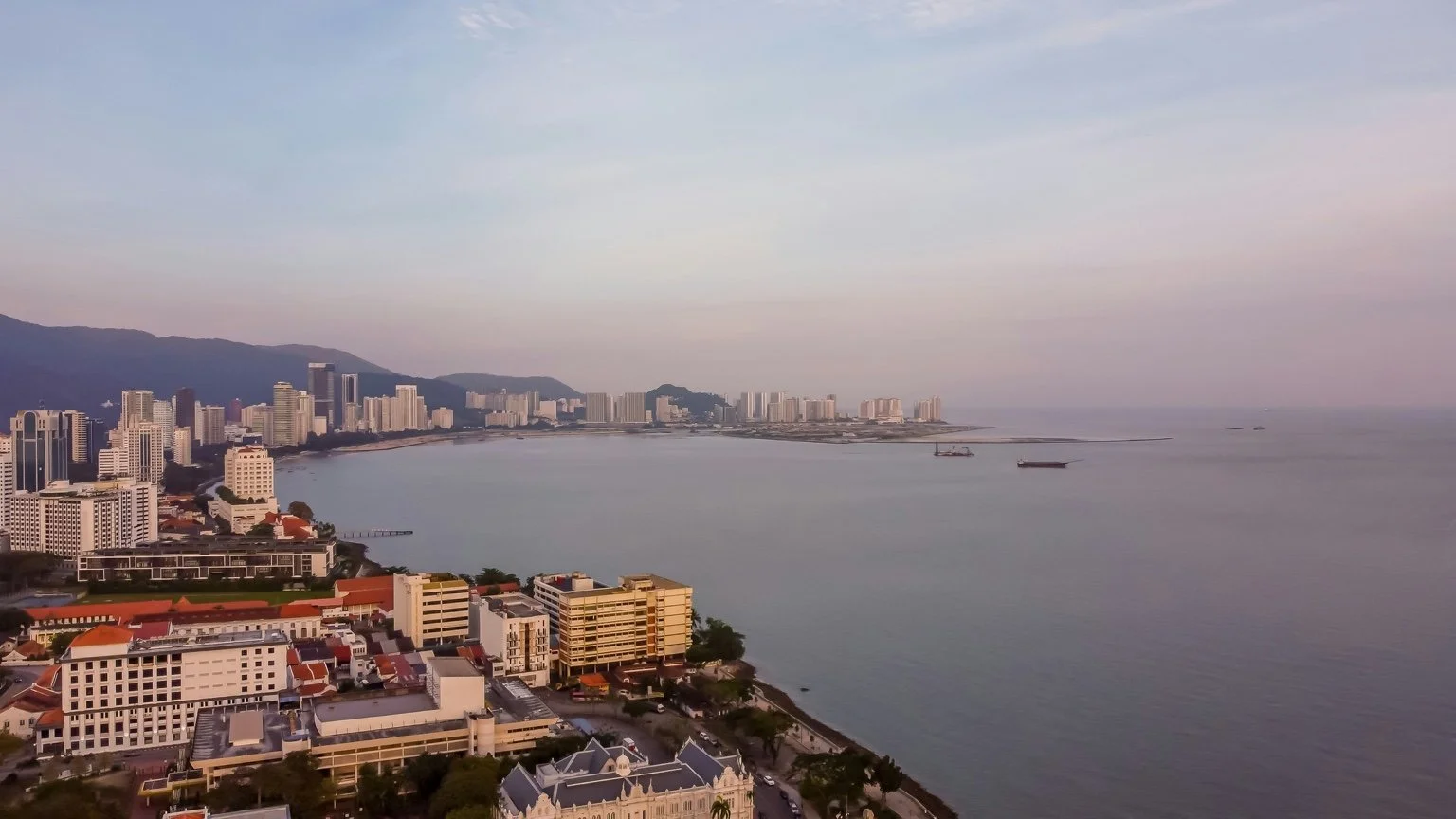
For families considering a move to Penang, schooling is rarely an afterthought. In practice, it is often the single factor that determines where families live, how they structure their relocation, and whether Penang is suitable for a multi-year stay.
Penang does not offer the sheer volume of international schools found in Kuala Lumpur or Singapore. What it does offer is a smaller group of established international schools that are generally well regarded for academic standards, stability, and suitability for long-term family relocation. For many families, this balance aligns well with Penang’s broader appeal as a place to live rather than a short-term posting.
This guide explains which international schools families actually choose in Penang, where they are located, what age groups they serve, how transport affects daily routines, and how school choice influences housing decisions.
Key Takeaways for Relocating Families
- School choice often comes before housing: In Penang, the location of international schools frequently determines where families choose to live.
- Quality matters more than quantity: While Penang has fewer international schools than Kuala Lumpur, the schools serving the island are established and academically credible.
- Age group coverage varies by school: Some schools operate split primary and secondary campuses, which affects daily logistics.
- Commute planning is essential: Traffic patterns and school run routes have a meaningful impact on family routines.
- Fees are lower than KL or Singapore, but still significant: Tuition, enrolment fees, and transport costs should be planned together.
International Schools in Penang by Location and Age Range
Penang’s international school ecosystem is best understood through fit, age coverage, and location, rather than rankings or marketing claims. The schools serving Penang primarily cater to expatriate families, returning Malaysians, and long-stay residents rather than short-term corporate relocations.
Several schools are located along the northern coastal corridor, while others are split between island and mainland campuses. This geography matters, particularly for families with children in different age groups.
Commonly considered options include Dalat International School, Tenby Schools Penang, Prince of Wales Island International School (POWIIS), and Lighthouse Academy. Each serves different age ranges and suits different family profiles.
Dalat International School is located in Tanjung Bungah and serves students from early years through secondary level, making it a practical option for families seeking continuity within a single campus area. Its location aligns well with residential neighbourhoods along the northern coastline.
Tenby Schools Penang offers international education pathways across its Penang campuses, serving primary and secondary age groups. Because campus locations can vary by division, families are advised to confirm the relevant site for their child’s year group before committing to housing.
Prince of Wales Island International School operates a split-campus structure, with primary and middle school provision in Tanjung Bungah and secondary education in Balik Pulau. Some families manage this transition using school transport, but it is an important logistical consideration when planning where to live.
Lighthouse Academy, located along the Tanjung Bungah–Batu Ferringhi corridor, offers education up to IGCSE level and explicitly states provision for children with learning differences, including ASD and ADD. This makes it a consideration for families seeking smaller class settings or additional learning support.
Across all schools, entry assessments and waiting lists are common, particularly in popular year groups. Availability, age coverage, and campus location should be confirmed directly with admissions before finalising relocation plans.
International Schools and Residential Areas: Typical Family Patterns
For most families, school choice and housing choice are closely linked. The table below reflects typical decision patterns, rather than fixed rules.
| School | Location | Age range & structure | Common residential areas |
|---|---|---|---|
| Dalat International School | Tanjung Bungah (Penang Island) | Early years to secondary Single campus |
Tanjung Bungah, Tanjung Tokong |
| Tenby International (Penang) | Penang Island (campus varies by division) |
Primary to secondary More consolidated pathway |
Within close driving distance of relevant campus |
| Prince of Wales (POWIIS) |
Primary & middle: Tanjung Bungah Secondary: Balik Pulau |
Primary to secondary Split campuses |
Tanjung Bungah (primary); transport planning needed for secondary |
| Lighthouse Academy | Tanjung Bungah / Batu Ferringhi corridor |
Up to IGCSE Specialist learning support |
Tanjung Bungah, Batu Ferringhi |
Understanding Penang’s Geography and Daily School Runs
Penang may appear compact, but daily travel patterns matter more than distance alone. Traffic congestion is most pronounced in central George Town, driven by tourism, heritage attractions, and food districts.
Residential areas along the northern coastline tend to experience more predictable traffic flows, which is why many families prioritise living close to their chosen school rather than closer to city amenities.
The Penang state government’s long-term transport master plan includes proposals for an outer ring road intended to improve connectivity between Batu Ferringhi, Tanjung Bungah, and downtown areas. While relevant for families planning longer stays, relocation decisions should be based on current conditions rather than future infrastructure timelines.
Everyday Family Life in Penang: Neighbourhoods, Culture, and Livability
Penang’s appeal for families goes beyond schooling logistics and into the rhythm of everyday life. Unlike larger metropolitan cities, Penang functions as a series of established neighbourhoods rather than a single high-density urban core, which makes it easier for families to settle into predictable routines.
George Town and its surrounding residential areas combine colonial architecture, heritage streets, and modern conveniences in a way that feels lived-in rather than curated for tourism. While the historic core attracts visitors, many family neighbourhoods sit just outside the busiest zones, offering quieter residential streets with easy access to schools, healthcare, and daily amenities.
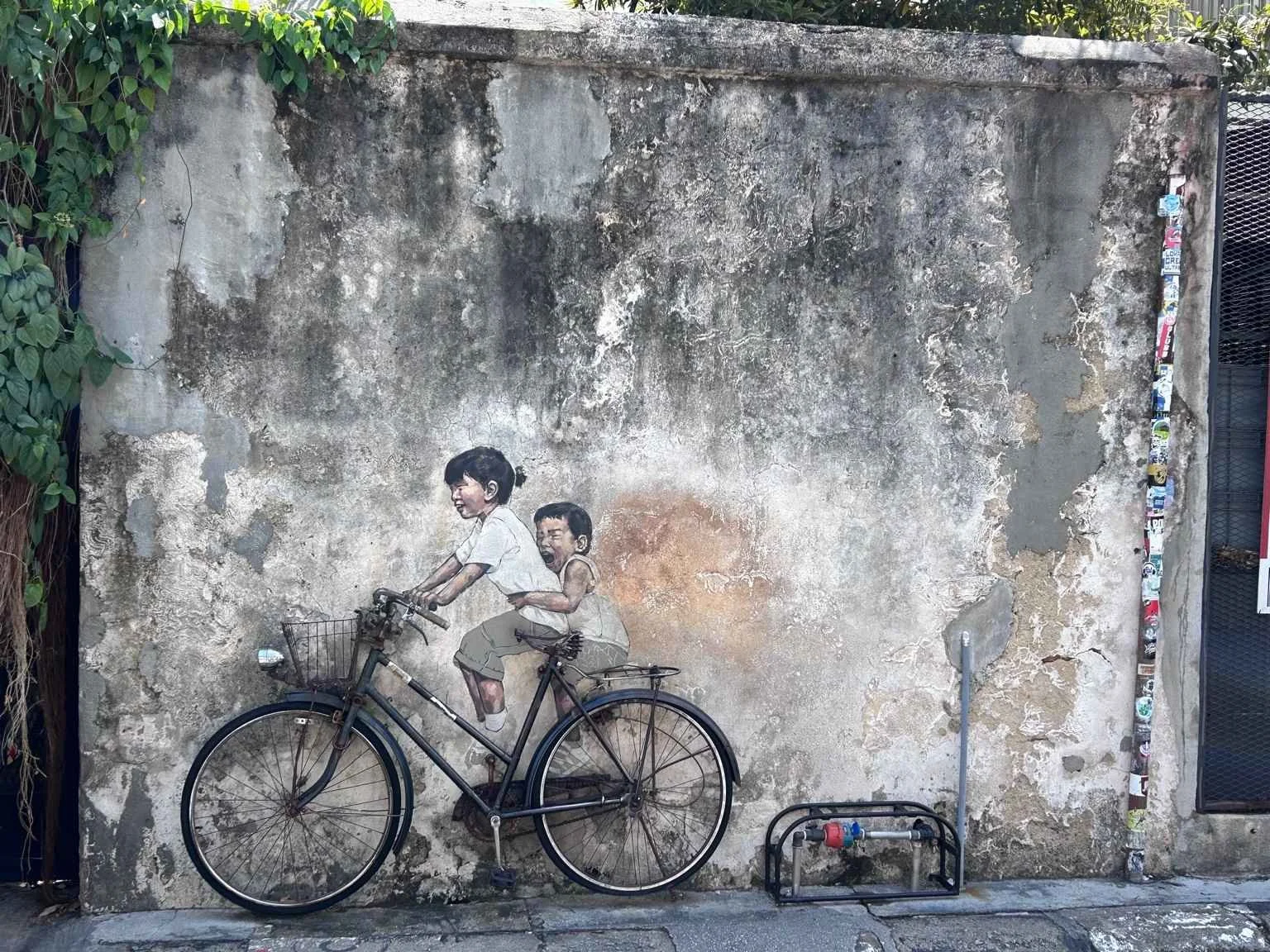
Photo © Alestria | George Town street art, Penang
The northern coastal corridor, including areas such as Tanjung Bungah and Batu Ferringhi, is particularly popular with relocating families. These neighbourhoods offer a balance of residential homes, local shops, and open spaces, with a pace of life that suits long-term living rather than short-term stays. Families often cite walkability, proximity to the sea, and a stronger sense of community as reasons for choosing these areas.
Penang’s cultural mix is another defining feature. Malay, Chinese, Indian, and Peranakan influences shape daily life, from festivals and food to language exposure and social norms. For families, this creates a culturally rich environment that feels authentic rather than transient, and children tend to integrate quickly through school, sports, and neighbourhood activities.
Food culture plays an unusually central role in everyday life. Penang is internationally recognised for its street food and local dining, but for residents this translates into affordable, accessible meals woven into daily routines rather than occasional outings. For families, this often reduces reliance on international chains and encourages a more local lifestyle.
Healthcare access also supports family living. Penang has several well-regarded private hospitals and specialist clinics, many of which are located close to established residential areas. This proximity is frequently cited by families as a key comfort factor when relocating with children.
Overall, Penang offers a style of living that prioritises routine, familiarity, and long-term comfort. It is not a city designed around constant novelty or scale, but one that rewards families who value stability, cultural depth, and manageable day-to-day living.
Fees, Admissions, and What Families Should Budget For
International school fees in Penang are lower than in Kuala Lumpur or Singapore, but they remain a significant recurring cost.
As a general guide, annual tuition fees typically range from approximately RM 20,000 to RM 60,000+ per year, depending on the school and year group, with higher fees usually applying at secondary level.
Families should also plan for registration or enrolment fees, uniforms, learning materials, and transport costs where school bus services are used. Fee schedules are updated regularly, and availability can change year to year, so confirming current costs directly with admissions is essential.

How School Choice Influences Housing Decisions
For many relocating families, school placement is secured before committing to long-term housing. A common approach is to arrange temporary accommodation, establish daily routines, and then move into a longer-term rental or purchase once schooling and travel patterns are understood.
This dynamic explains why certain neighbourhoods attract a higher concentration of relocating families and why school location often outweighs proximity to commercial centres.
For related context, see: Is Penang a Good Place for Foreigners to Buy Property in 2026?
Residency Considerations for Families
International school enrolment does not grant residency rights in Malaysia.
Families typically hold residency through MM2H, employment-linked passes, or dependant visas. School planning and residency planning should be treated as parallel but separate processes.
A detailed explanation of current residency pathways is available here: MM2H Malaysia 2026: Requirements, Tiers & Property Rules Explained.

Is Penang Well-Suited for Families Prioritising Education?
Penang is well suited to families who prioritise education quality, routine stability, and long-term livability. While the range of international schools is smaller than in larger metropolitan markets, the schools serving Penang are established, academically credible, and aligned with long-stay family relocation.
For families willing to plan school choice, location, and transport together, Penang’s international school ecosystem can support stable, multi-year family life without the intensity or scale of larger cities.
Considering housing options near Penang’s international schools?
View a curated selection of foreign-eligible residential developments in established family neighbourhoods across Penang.
FAQ About International Schools in Penang
-
Yes. Penang has a well-established international school ecosystem serving expatriate, returning Malaysian, and long-stay foreign families. While the number of schools is smaller than Kuala Lumpur, the leading schools are well regarded for teaching quality, pastoral care, and continuity across age groups.
-
Some of the most commonly considered international schools include Prince of Wales Island International School (POWIIS), Tenby International School Penang, Stonyhurst International School Penang, The International School of Penang (Uplands), and Dalat International School. Each differs in curriculum, age range, location, and school culture.
-
Most international schools are located along the north and west of Penang Island, including areas such as Tanjung Bungah, Batu Ferringhi, Balik Pulau, and inland corridors leading towards George Town. School location plays a major role in daily travel times and housing decisions.
-
Location is critical. Daily commuting times can vary significantly depending on where a family lives and where the school is located. Many relocating families prioritise living within 10–30 minutes of their chosen school, particularly during peak traffic periods.
-
Yes. Several international schools in Penang offer organised school bus services, including routes serving popular residential areas such as Tanjung Bungah, Batu Ferringhi, and selected parts of George Town. Availability and routes vary by school.
-
International schools in Penang collectively cover early years through to IGCSE, A-Levels, and International Baccalaureate (IB), depending on the institution. Some schools operate as full K–12 campuses, while others split primary and secondary campuses across different locations.
-
Yes. Penang has specialist education centres that support children with additional learning or developmental needs, including early intervention, autism-focused programmes, and life-skills-based education. These are typically separate from mainstream international schools and should be evaluated individually.
-
Annual tuition fees typically range from approximately RM 25,000 to RM 60,000+ per year, depending on the school, year group, and curriculum. Additional costs may include enrolment fees, capital levies, uniforms, transport, and extracurricular activities.
-
No. School enrolment does not grant residency rights. Families usually hold residency through MM2H, employment-linked passes, or dependant visas. School planning and residency planning should be treated as related but separate processes.
-
For families prioritising education, healthcare, and a high quality of everyday life, Penang offers a lifestyle that supports long-term family living rather than temporary relocation. Its combination of established international schools, accessible healthcare, and culturally rich neighbourhoods makes it particularly attractive for families planning extended stays and educational continuity.
