
Branded Residences in Kuala Lumpur (2026): Luxury Hotel-Branded Property Guide
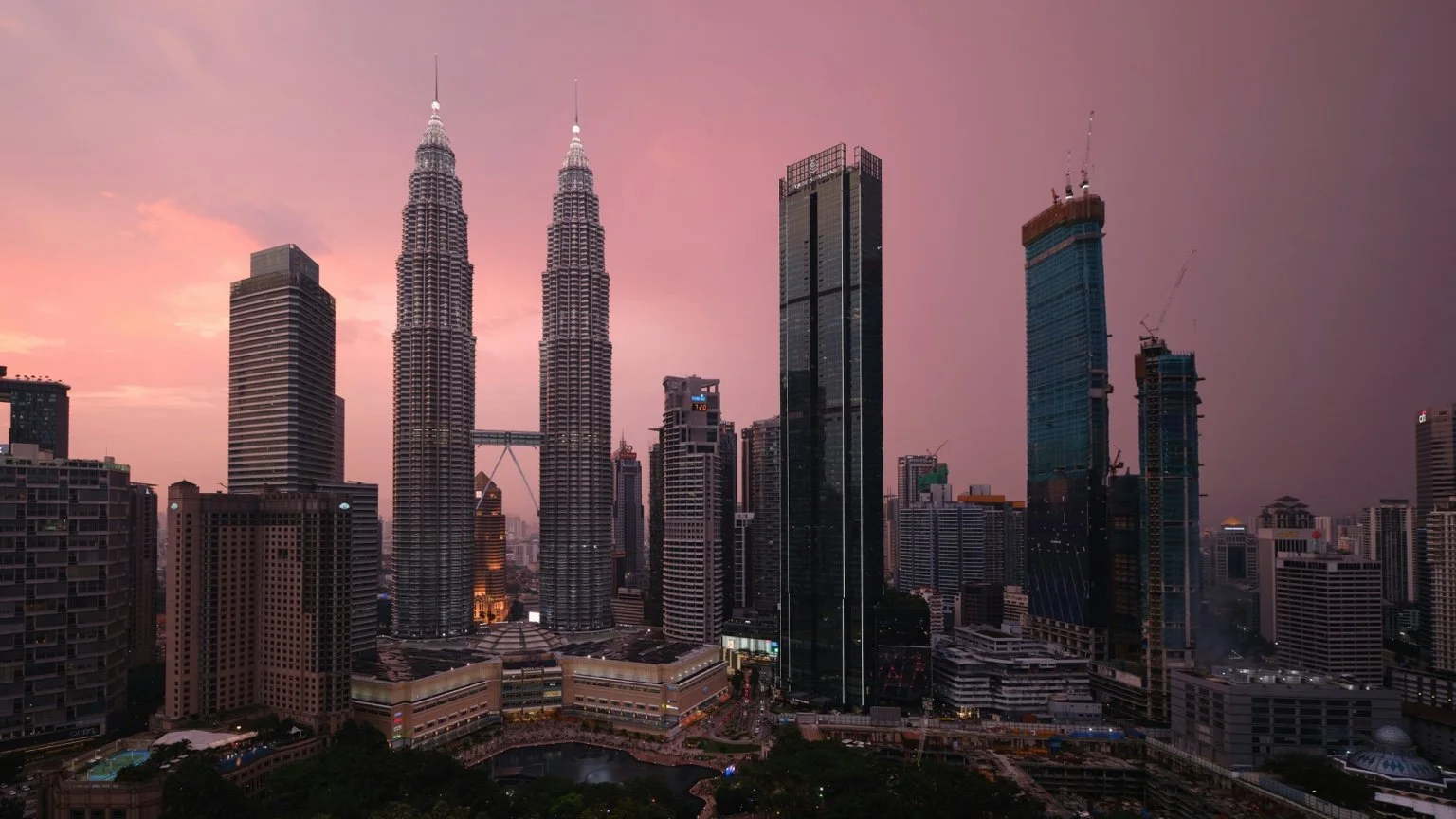
Over the past decade, branded residences have become an increasingly visible part of Kuala Lumpur’s luxury property landscape.
Developments associated with globally recognised hospitality groups promise something slightly different from a conventional condominium: the combination of private residential ownership with the service culture, operational standards and international reputation of a luxury hotel brand.
For buyers, the concept is appealing. Ownership does not simply mean acquiring a property in one of Southeast Asia’s most dynamic capital cities, it also means access to a lifestyle model shaped by internationally recognised operators such as The Ritz-Carlton, Four Seasons, Banyan Tree, or Ascott.
Yet from an investment perspective, the question is more nuanced.
While many international buyers evaluate branded residences from an investment perspective, the concept also appeals strongly to relocation buyers and long-stay residents.
Kuala Lumpur has become an increasingly popular destination for expatriates, entrepreneurs and retirees seeking a modern international city with relatively accessible luxury property pricing. For these buyers, branded residences can offer a familiar level of service and management that mirrors the experience of living in a high-end hotel.
For those exploring relocation pathways, Malaysia’s residency programmes, including MM2H and the Premium Visa Programme (PVIP) — have also contributed to steady international demand for high-quality residential property in the capital.
Do branded residences actually perform better than conventional luxury condominiums in Kuala Lumpur? Do they command stronger rental demand or higher resale values? Or does the brand primarily influence marketing and perception rather than underlying performance?
This guide explores how branded residences function within Kuala Lumpur’s property market, which developments fall into this category, and how they compare with the city’s broader luxury residential sector.
For readers exploring the wider Malaysian market, our guide to where to buy property in Malaysia provides a broader overview of the country’s key investment locations.
Branded Residences in Kuala Lumpur: Key Takeaways
- Branded residences combine residential ownership with hospitality-style management, typically operated by global hotel or serviced residence groups.
- Kuala Lumpur’s branded residence market is relatively small but prestigious, including projects linked to Ritz-Carlton, Four Seasons, Banyan Tree and Ascott.
- Prime districts such as KLCC and Bukit Bintang dominate the sector, reflecting their proximity to the city’s financial and lifestyle core.
- Typical gross rental yields in central Kuala Lumpur range between 4–6%, depending on location, unit size and development positioning.
- Brand recognition can support tenant demand, particularly among expatriates and corporate renters.
- However, location and property fundamentals remain the primary drivers of value, even in branded developments.
What Are Branded Residences?
A branded residence is a residential development associated with an established hospitality or lifestyle brand. These developments typically combine private residential ownership with operational elements drawn from luxury hotels or serviced residences.
In practice, the brand’s involvement can vary significantly between projects.
In some developments the hospitality group plays a deep operational role, influencing design standards, resident services and long-term property management. In others the brand functions primarily as an operator or service provider, delivering hospitality-style management within an otherwise conventional residential structure.
For buyers, the attraction lies in the combination of private ownership and professionally managed services.
Residents may benefit from concierge support, housekeeping services, hospitality-level facilities and globally recognised service standards. These elements can appeal particularly to international buyers who are familiar with the brand through travel or previous property investments.
Across Asia, cities such as Bangkok, Singapore and Dubai have seen rapid growth in branded residences over the past decade. Our analysis of branded residences in Thailand shows how hospitality partnerships have become a major feature of luxury residential development across the region.
Kuala Lumpur has adopted the model more selectively, but several notable branded developments now exist within the city’s prime districts.
Why Developers Use Hotel Brands
From a developer’s perspective, partnering with a recognised hospitality brand serves several strategic purposes.
First, branding can significantly increase international visibility. Global hotel groups such as Ritz-Carlton, Four Seasons or Banyan Tree already have strong relationships with affluent travellers and investors. Associating a residential project with one of these names can immediately position the development within a recognised luxury ecosystem.
Second, hospitality operators often bring operational expertise. Branded residences frequently incorporate concierge services, hospitality-style facilities and professional management structures that mirror the standards of luxury hotels. This can make the development more appealing to both lifestyle buyers and international tenants.
Third, branding can help differentiate a project within competitive urban markets. In prime districts such as KLCC and Bukit Bintang, where multiple high-end developments may compete for attention, a recognised brand can help signal quality, service standards and long-term management consistency.
However, branding alone does not determine investment performance. Ultimately, property fundamentals such as location, design quality, unit size and supply dynamics remain the primary drivers of value within Kuala Lumpur’s residential market.
Branded vs Non-Branded Condominiums in Kuala Lumpur
Branded residences represent a distinctive segment of the city’s luxury property market, but they ultimately compete with high-quality non-branded developments located in the same districts.
| Factor | Branded Residences | Luxury Condominiums |
|---|---|---|
| Management | Operated by an international hospitality or serviced residence brand | Managed by a standard residential property management company |
| Resident services | Often includes concierge, housekeeping options and hospitality-style amenities | Typically limited to building facilities such as pool, gym and security |
| Brand recognition | Associated with globally recognised hospitality brands such as Ritz-Carlton or Four Seasons | Brand value usually tied to the developer rather than a hotel operator |
| Tenant profile | Often attracts expatriates, corporate tenants and international renters | More mixed tenant base including local residents and long-term renters |
| Buyer profile | International investors, relocation buyers and lifestyle purchasers seeking hotel-style living | Local buyers, investors and residents prioritising value or flexibility |
| Pricing | Can command a premium due to brand association and service offering | Generally more price competitive within the same district |
In Kuala Lumpur, the difference between these two categories is not always dramatic. Well-located luxury condominiums without branding can perform just as strongly as branded residences when fundamentals such as location, design and unit size align.
Examples of high-quality non-branded developments include CloutHaus KLCC and LoftHill Residence, both of which emphasise architectural design and central location rather than hospitality branding.
Major Branded Residences in Kuala Lumpur
Although smaller than comparable sectors in cities such as Bangkok or Dubai, Kuala Lumpur’s branded residence market includes several internationally recognised developments.
| Development | District | Market Positioning |
|---|---|---|
| The Ritz-Carlton Residences Kuala Lumpur | Golden Triangle / Bukit Bintang | Ultra-prime branded residences with large layouts and hotel-level service standards |
| Ascott Star KLCC | KLCC | Branded serviced residences with strong appeal for long-stay residents and international buyers |
| Banyan Tree Signatures Kuala Lumpur | Pavilion / Bukit Bintang | Luxury branded residences integrated with the Banyan Tree hotel within the Pavilion district |
| Four Seasons Place Kuala Lumpur | KLCC | Prestige branded residences within one of KLCC’s most recognisable mixed-use towers |
Each of these projects occupies a slightly different niche within the market.
The Ritz-Carlton Residences Kuala Lumpur, explored in detail in our review here, represent one of the city’s most prestigious residential addresses. The Ritz-Carlton brand carries extraordinary global recognition, and the residences reflect that positioning through large unit sizes, refined interior design and a service culture rooted in luxury hospitality.
By contrast, developments such as Ascott Star KLCC operate within the serviced residence model, where professional management and operational rental programmes play a more central role.
Rental Yields and Investment Performance
For investors, rental performance is often the most important consideration when evaluating branded residences.
In Kuala Lumpur’s prime districts, particularly KLCC and Bukit Bintang, gross rental yields typically fall within the 4–6% range, depending on the development, unit type and market conditions.
Detailed analysis of the city’s rental market can be found in our guide to Malaysia rental yields.
While branded residences can benefit from marketing visibility and professional management infrastructure, rental demand in Kuala Lumpur remains driven primarily by:
proximity to business districts
accessibility and transport links
unit size and layout
building quality and facilities
Brand association can support tenant confidence, particularly among expatriates, but it rarely overrides the importance of these core fundamentals.
Luxury Property Trends in Kuala Lumpur
The broader context for branded residences is Kuala Lumpur’s evolving luxury property market. As explored in our analysis of luxury property in Kuala Lumpur, the city continues to attract a diverse mix of international buyers, expatriates and regional investors.
Compared with many global capitals, Kuala Lumpur offers relatively competitive pricing for luxury real estate. This affordability, combined with modern infrastructure and strong regional connectivity, has helped the city maintain a steady level of international interest.
Branded residences sit at the upper end of this market, offering a hybrid model that blends residential ownership with hospitality-level service standards.

Conclusion: Brand Prestige vs Property Fundamentals
Branded residences occupy a distinctive niche within Kuala Lumpur’s luxury property market.
For some buyers, the appeal lies in international brand prestige, hospitality-level service and operational consistency. Developments associated with globally recognised names such as Ritz-Carlton or Four Seasons represent some of the most prestigious residential assets in the Malaysian capital.
For others, however, the fundamentals of property investment remain unchanged.
Location, design quality, unit size and long-term market dynamics ultimately play a far greater role in determining investment performance than branding alone.
At the same time, branded residences are not only an investment product. Many buyers are drawn to them as long-term homes or relocation bases, attracted by the professional management, service culture and central locations that mirror the experience of living in a luxury hotel.
Kuala Lumpur offers a compelling mix of both branded and non-branded luxury developments. Understanding how these options compare allows buyers to choose the model that best aligns with their priorities, whether that means investment potential, lifestyle convenience, or the reassurance of a globally recognised hospitality brand.
Explore Kuala Lumpur Property Listings
If you’re exploring branded residences or luxury condominiums in Kuala Lumpur, you can view a selection of developments currently available on our Kuala Lumpur property page, including projects in KLCC, Bukit Bintang and other prime districts.
Many international buyers begin by comparing several developments side-by-side before deciding whether a branded residence or a conventional luxury condominium best suits their goals.
Branded Residences in Kuala Lumpur: FAQ
-
A branded residence is a residential property developed in partnership with an internationally recognised hospitality or lifestyle brand. In Kuala Lumpur this typically means condominiums associated with hotel or serviced residence operators such as Ritz-Carlton, Four Seasons, Banyan Tree or Ascott. These developments combine private residential ownership with professionally managed services, hospitality-style facilities and internationally recognised brand standards.
-
Yes. Foreign buyers can purchase branded residences in Kuala Lumpur in the same way as other condominium properties, provided the unit meets Malaysia’s minimum purchase price threshold for foreign ownership. In Kuala Lumpur this threshold is generally RM1 million, although exact rules can vary by state and property type.
-
Not necessarily. Rental performance in Kuala Lumpur is primarily driven by location, unit size, building quality and overall market supply. While branded residences may benefit from strong tenant appeal and professional management, they typically perform within the same 4–6% gross yield range seen across many prime KLCC and city-centre developments.
-
No. While many buyers evaluate branded residences from an investment perspective, they are also popular with relocation buyers and long-stay residents. The combination of central locations, professional management and hospitality-style services can appeal to expatriates, entrepreneurs and retirees who want the convenience of a professionally operated residential environment.
-
This depends on the development. Some branded residences are directly integrated with a hotel, while others are operated by serviced residence brands that provide hospitality-style management. In most cases, residents benefit from concierge services, shared facilities and professional building management, with optional services such as housekeeping available separately.
-
Branded residences often command a pricing premium compared with comparable non-branded developments in the same district. This reflects the value of the brand association, hospitality-style services and the prestige attached to internationally recognised operators. However, location, building quality and unit specifications remain the most important factors influencing property value in Kuala Lumpur.
