
Is Bangkok Property Oversupplied? Risk or Opportunity for Buyers in 2026
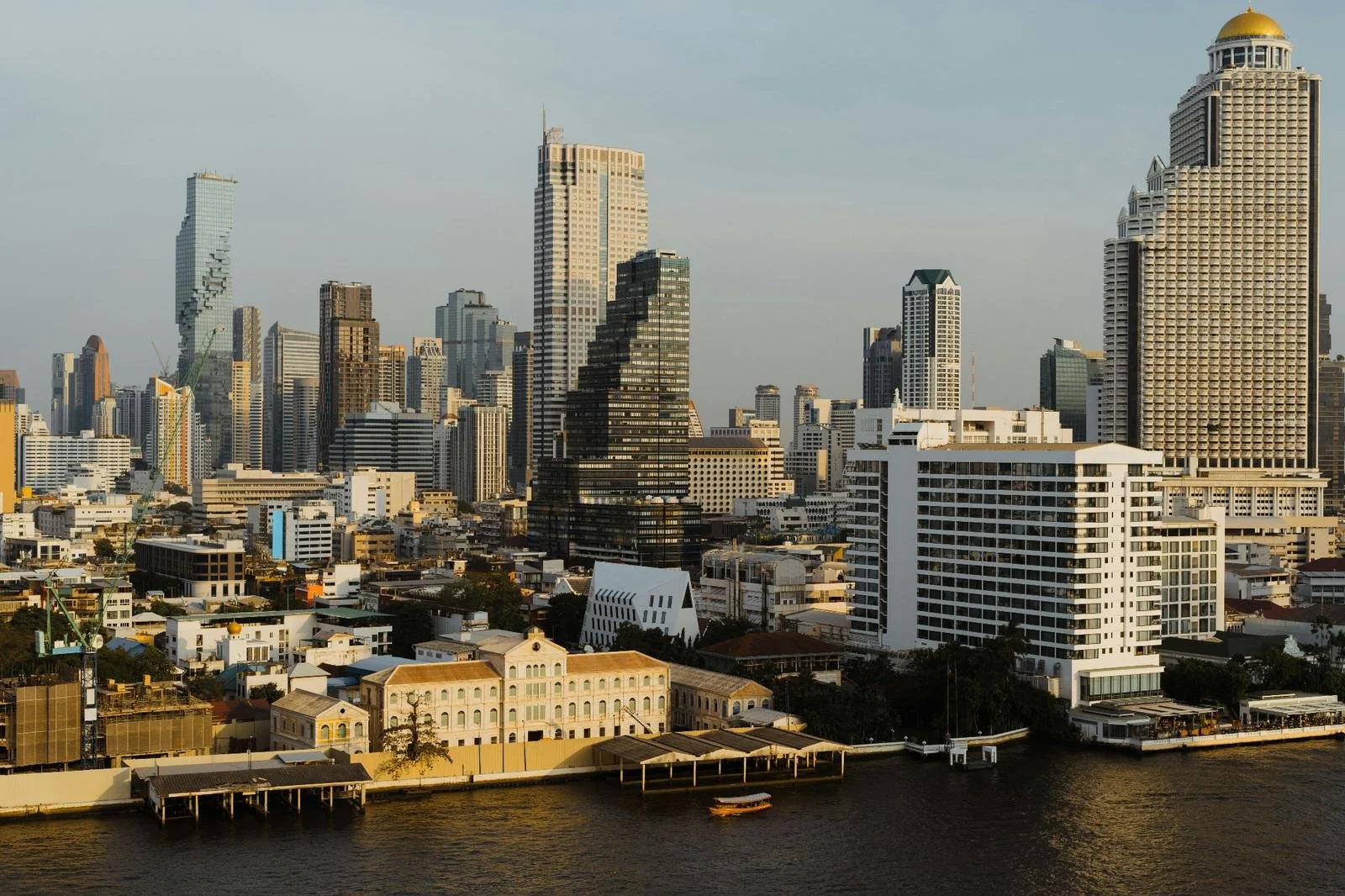
Bangkok’s condominium market is not oversupplied across the board. While certain suburban segments, particularly lower-priced, investor‑driven developments, have excess inventory, prime central districts continue to see steady demand and generally stable pricing, supported by infrastructure expansion and expatriate demand.
Bangkok’s condominium market has been one of Southeast Asia’s most dynamic real‑estate stories. Skytrain lines, new highways and expanding business districts opened previously suburban areas and encouraged developers to launch thousands of new units each year. That cycle created a surplus of unsold apartments and headlines warning of a property oversupply crisis.
So rather than a citywide problem, oversupply in Bangkok is best understood as a segmented market imbalance.
This guide separates myth from reality. Drawing on industry reports and market commentary through early 2026, it explains how many units remain unsold, identifies districts facing genuine oversupply risk, and shows why prime areas favoured by foreign buyers remain resilient.
Bangkok Property Oversupply 2026: Key Takeaways
- Oversupply is location-specific: concentrated in suburban, investor-driven developments rather than central Bangkok.
- Prime districts remain resilient: strong demand in Sukhumvit, Sathorn, Silom and the Rama 4 corridor.
- Buyers have negotiating power: oversupply creates discounts and incentives in weaker segments.
- Rental yields vary by location: CBD 4–5%, central corridors 4.5–6%, outer areas up to 7% with higher risk.
- Market is rebalancing: new project launches have slowed, helping absorb excess inventory.
How Big Is Bangkok's Oversupply?
Unsold stock
Estimates from Thai property research groups suggest that approximately 220,000 condominium units remain unsold in Bangkok. This includes both completed units and pre‑construction purchases that failed to close.
While the figure sounds dramatic, it partly reflects the scale of development during the previous decade. Between 2014 and 2024 developers added roughly 50,000 new units annually. During the pandemic many projects were delayed, meaning large numbers of units completed at roughly the same time.
Since then developers have slowed new launches significantly, which should gradually reduce the backlog.
Where oversupply is concentrated
Oversupply is not evenly distributed across Bangkok.
The highest concentration of unsold units appears in:
Bang Sue / Chatuchak / Lat Phrao – large numbers of mid‑market developments near new transit lines
Outer Sukhumvit (On Nut – Samrong) – dense clusters of mid‑priced condominiums
Phra Khanong / Bang Na – heavy supply targeting domestic buyers
Northern and eastern suburbs such as Navanakorn, Khlong Luang and Chalong Krung
In several of these districts property prices have softened due to competition between new developments.
Prime Markets Remain More Resilient
While parts of Bangkok’s condominium market face oversupply pressure, the situation is very different in the city’s prime residential districts.
Central neighbourhoods such as Phloen Chit, Ratchadamri, Silom, Sathorn, Sukhumvit (including Thonglor and Ekkamai), and the emerging Rama 4 corridor continue to attract both domestic and international buyers. These locations benefit from limited land supply, proximity to business districts and strong rental demand from expatriates.
Typical characteristics of the market segments include:
Prices in Bangkok are commonly compared on a per square metre basis, particularly by developers and market reports, as this allows for consistent comparison across different unit sizes and projects. Smaller studio units in outer districts may start from around THB 3 million, but these represent the smallest units and lowest floors in a development. Prices per square metre can vary by unit type, with smaller studio and one-bedroom units often carrying a premium on a per sqm basis compared to larger units.
Bangkok Property Prices and Rental Yields by Location
Bangkok property pricing and rental yields vary significantly depending on location, with clear differences between prime CBD districts, central investment corridors, and suburban areas.
| Market Segment | Typical Prices (THB / sqm) | Typical Rental Yields | Key Characteristics |
|---|---|---|---|
| Prime CBD (Silom, Sathorn, Phloen Chit) | 180,000 – 300,000 | 4–5% | Limited supply, strong expatriate demand, high liquidity |
| Central Corridors (Rama 4, Sukhumvit mid-zones) | 120,000 – 180,000 | 4.5–6% | Balanced pricing, strong rental demand, improving infrastructure |
| Outer Districts (On Nut, Bang Na, suburbs) | 80,000 – 120,000 | 5–7% | Higher yields but greater oversupply risk |
Industry research indicates that many prime projects achieve sales rates above 80%, meaning most units are sold before or shortly after project completion, highlighting the continued demand for well‑located developments.

Strategies for Investors and Lifestyle Buyers
Focus on location
Prime districts close to BTS or MRT stations remain the most resilient parts of Bangkok’s property market. For a deeper analysis of neighbourhoods, see our guide on where to buy property in Bangkok.
Consider larger unit layouts
Many oversupplied projects consist primarily of smaller studio and one-bedroom units, which were often targeted at domestic investors during previous development cycles. Foreign buyers often prefer larger one‑ or two‑bedroom apartments better suited to long‑term living.
Negotiate developer incentives
Developers clearing unsold inventory may offer discounts, payment plans or rental guarantees. While incentives are less common in prime developments, they can be significant in oversupplied locations.
Use government incentives
Thailand has temporarily reduced property transfer and mortgage registration fees to 0.01% for homes priced up to THB 7 million, helping lower transaction costs for some buyers.
Hold for the long term
Bangkok continues to benefit from infrastructure expansion, tourism growth and a large metropolitan population. Buying during periods of oversupply can provide attractive long‑term entry prices.
Is Bangkok Property Still a Good Investment?
Despite oversupply in parts of the suburban condominium market, Bangkok remains one of Southeast Asia’s most established real‑estate markets.
Several long‑term fundamentals continue to support demand:
A metropolitan population of more than 10 million people
Expanding BTS and MRT rail networks
Strong tourism and international business activity
Relatively affordable property prices compared with other global capitals
Oversupply is largely concentrated in lower‑priced suburban developments. Prime districts near the city centre and major transport hubs continue to attract domestic and international buyers.
Recent initiatives such as Thailand’s long-stay visa programmes aimed at property investors may also help support future foreign demand.
For investors focusing on well‑located developments with reputable developers, Bangkok property can still offer stable rental yields and long‑term capital appreciation.
Explore Bangkok Property
If you’re considering buying property in Bangkok, the most important step is understanding which locations align with your goals, whether that’s rental income, long-term appreciation, or personal use.
Alestria curates developments across Bangkok’s key districts, focusing on location fundamentals, rental demand and suitability for foreign buyers.
Further Reading on Bangkok Property
Where to Buy Property in Bangkok – neighbourhood guide and district analysis
Bangkok Property Yields: What Investors Can Expect – rental return overview
Luxury Property in Bangkok: Market Outlook – analysis of the prime residential sector
Thailand Long‑Stay Visa for Property Investors – how residency policies may support foreign demand
FAQ: Bangkok Property Oversupply
-
Bangkok’s condo market presents both risks and opportunities. Oversupply in some suburban areas can lead to softer prices and higher vacancy risk, but it also creates stronger negotiating power for buyers. In contrast, well‑located developments in central districts continue to attract consistent demand, offering more stable rental performance and long‑term investment potential.
-
Large numbers of units were launched during the development boom of the 2010s and completed around the same time after pandemic delays. Slower domestic demand and reduced foreign investment temporarily increased unsold inventory.
-
Oversupply is concentrated in specific suburban districts with large numbers of mid‑market developments. Prime central areas continue to attract steady demand, and the overall market is gradually rebalancing as new supply slows.
-
Some mid‑market districts have experienced price declines due to oversupply. Prime central areas have generally remained more stable.
-
Typical gross rental yields in Bangkok range from around 4% to 6% in central districts, with some suburban projects reaching 5–7% depending on location and property type.
-
Yes. Foreign buyers remain active in the condominium market, particularly in central districts where demand from expatriates and international investors is strongest.
