
Can Foreigners Buy Villas in Thailand? Ownership Rules Explained (2026)
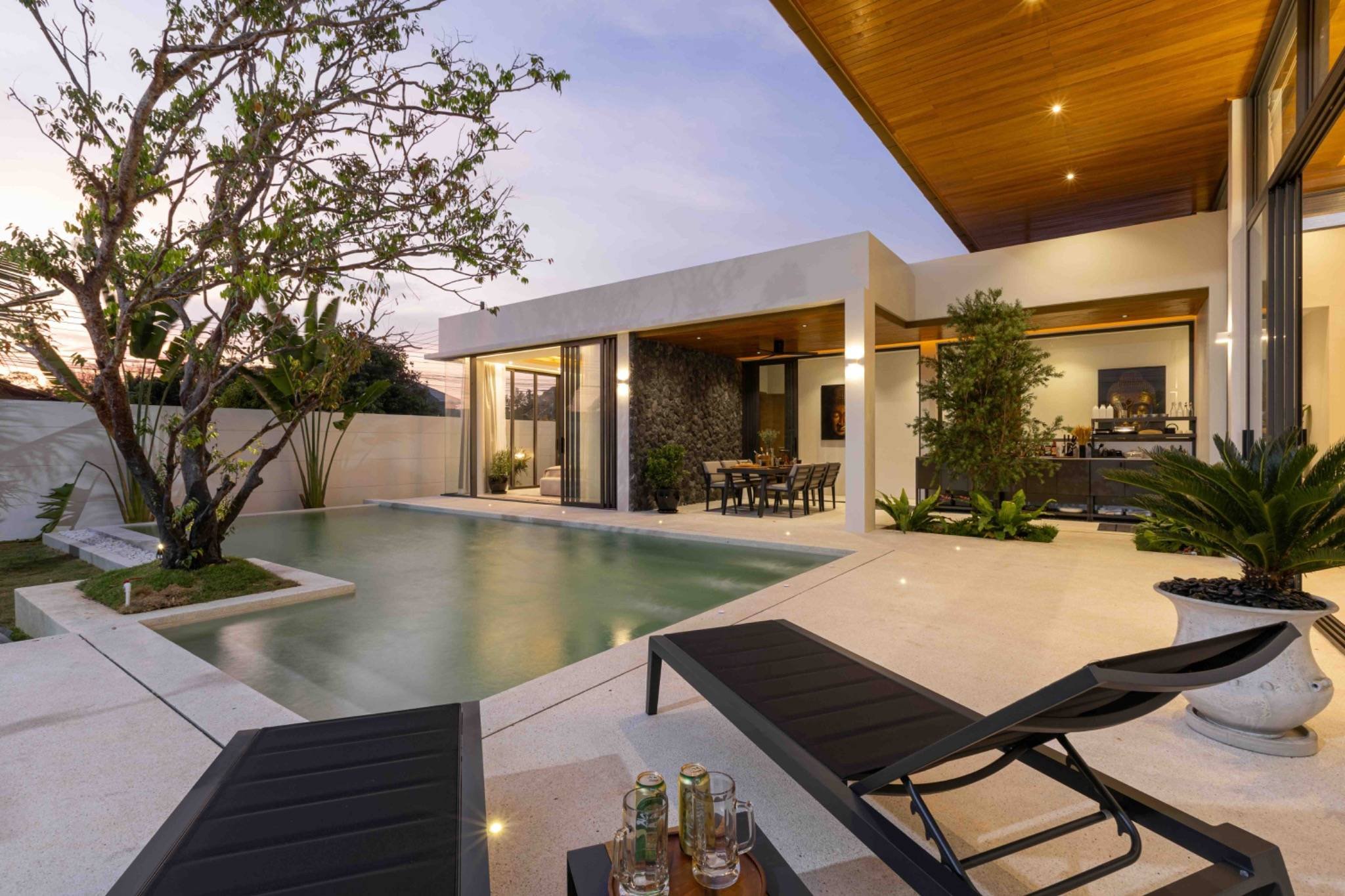
Thailand has long attracted overseas buyers looking for a tropical lifestyle, a holiday home or a property investment. While condominiums remain the most common choice for foreign purchasers, villas continue to grow in popularity, particularly in destinations such as Phuket, Koh Samui, Hua Hin and Pattaya, where buyers value privacy, outdoor space and resort-style living.
One question consistently causes confusion, however: can foreigners actually buy a villa in Thailand?
The answer is yes, but the legal ownership structure differs from that of a condominium. Understanding how villa ownership works is essential before committing to a purchase, particularly when it comes to land ownership, leasehold arrangements, rental opportunities and long-term resale considerations.
This guide explains how foreigners can buy villas in Thailand, the ownership structures available, the best locations to consider and the practical issues every overseas buyer should understand before investing.
If you’re looking for a broader overview of foreign ownership rules, including condominiums, taxes, financing and residency, our guide to Can Foreigners Buy Property in Thailand? covers the complete legal framework.
Can Foreigners Buy Villas in Thailand? Key Takeaways
- Yes, foreigners can legally buy villas in Thailand: However, unlike condominiums, the land beneath the villa cannot normally be owned freehold by a foreign individual.
- Most villa purchases combine building ownership with a registered long-term land lease: This is the established ownership structure used by many reputable developers across Phuket, Koh Samui, Hua Hin and other popular markets.
- Villas offer greater privacy and space but involve different considerations: Buyers should understand lease terms, maintenance responsibilities, resale dynamics and rental regulations before proceeding.
- Independent legal advice is essential: An experienced Thai property lawyer should review the lease agreement, verify the land title and ensure the ownership structure is appropriate before contracts are signed.
- Choosing the right villa is about more than ownership: Location, developer reputation, build quality, management standards and long-term rental demand can all have a significant impact on both lifestyle and investment performance.
Can Foreigners Buy Villas in Thailand?
Yes. Foreigners can legally buy villas in Thailand, but the ownership structure differs significantly from that of a condominium.
The key distinction is that, under Thai law, foreign individuals cannot own land on a freehold basis. Since most villas are built on their own land plot, the transaction is usually structured so that the buyer owns the villa itself while securing long-term rights to occupy and use the land through a legally recognised arrangement.
This often surprises first-time buyers, particularly those from countries where buying a house automatically includes ownership of the land beneath it. In Thailand, however, the ownership of the building and the ownership of the land can be treated separately. Understanding this principle is fundamental to understanding how the Thai villa market operates.
Fortunately, this is neither unusual nor experimental. Purpose-built villa developments across Phuket, Koh Samui, Hua Hin and Pattaya have been designed with foreign purchasers in mind for many years, using ownership structures that are familiar to experienced developers, property lawyers and the Thai Land Department.
For many overseas buyers, the process is straightforward. After selecting a villa, an independent lawyer reviews the legal documentation, confirms the land title, explains the ownership structure and oversees the registration process before completion. When handled correctly, buyers can enjoy many of the same practical benefits as property owners elsewhere, including the ability to live in, sell, inherit or rent out their villa, subject to the terms of the ownership structure and any applicable regulations.
If you’re still comparing villas with condominiums, it’s also worth understanding that the legal differences are only one part of the decision. Lifestyle, maintenance responsibilities, rental demand and long-term resale prospects all vary between the two property types.
| Feature | Villa | Condominium |
|---|---|---|
| Foreign freehold ownership | No (land cannot normally be owned freehold by foreign individuals) | Yes, subject to the 49% foreign ownership quota. |
| Land ownership | Typically secured through a registered long-term lease. | Not applicable. |
| Privacy and outdoor space | Private gardens, swimming pools and larger living areas. | Shared facilities such as pools, gyms and communal amenities. |
| Maintenance | Generally higher, particularly for gardens and private pools. | Usually limited to common area management fees. |
| Rental profile | Often suited to luxury holiday rentals and family groups. | Suitable for both long-term tenants and holiday rentals, depending on the development. |
| Typical buyer | Lifestyle buyers, retirees, families and luxury investors. | First-time overseas buyers, investors and buyers seeking straightforward ownership. |
Neither property type is inherently better. Condominiums offer the simplicity of freehold ownership, while villas provide greater space, privacy and a different lifestyle. If you’re still deciding between the two, our guide to Phuket Villas vs Condos: Which Investment Really Makes Sense? explores the differences in greater detail before you begin comparing individual developments.
How Villa Ownership Works in Thailand
The ownership structure for villas in Thailand is built around one important legal distinction: ownership of the building is separate from ownership of the land beneath it.
For most overseas buyers, this means owning the villa itself while securing long-term rights over the land through a registered lease. Although this differs from the freehold ownership model used in many countries, it has been an established part of Thailand’s property market for decades and is widely used in developments designed specifically for international purchasers.
The precise structure varies between developments, but the principle remains the same. The villa becomes the buyer’s property, while the land is occupied under a legally recognised agreement that grants the right to use and enjoy it for the agreed lease term.
Building Ownership
Foreigners are permitted to own the physical villa structure.
Ownership of the building can generally be transferred, inherited and sold, subject to the legal arrangements governing the land. This is why many villa purchases are described as building ownership combined with a land lease, rather than freehold ownership.
For buyers unfamiliar with the Thai property market, this can initially sound unusual. In practice, however, it is the standard ownership model used by many established villa developments across Phuket, Koh Samui, Hua Hin and Pattaya.
Registered 30-Year Land Leases
The most common method of securing the land is through a registered lease.
Under current Thai law, leases can be registered for a maximum term of 30 years. Registering the lease at the Land Office is an important part of the process, as it provides legal certainty over the agreed lease period and forms an integral part of the ownership structure.
For professionally developed villa projects, this framework is familiar to developers, lawyers and the Land Department, making it the established approach for foreign buyers purchasing landed property in Thailand.
Understanding 30+30+30 Lease Structures
Many villa developments marketed to foreign buyers are commonly described as offering 30+30+30-year leases.
This means the buyer receives an initial 30-year registered lease, together with contractual rights that allow the parties to enter into further lease periods, often creating the intention of providing up to 90 years of occupation.
It is important, however, to understand the legal distinction. Only the initial 30-year lease can currently be registered under Thai law. The additional lease periods are contractual renewal provisions rather than automatically guaranteed statutory rights. While these arrangements are widely used throughout Thailand’s villa market, the precise wording of the agreement is extremely important.
An experienced Thai property lawyer should therefore review the lease documentation carefully before contracts are signed, ensuring the renewal provisions, transfer rights and inheritance arrangements are clearly documented and fully understood.
Could Thailand Introduce 99-Year Leases?
Thailand has periodically explored extending lease terms as part of wider efforts to attract long-term foreign investment.
Most recently, proposals were considered that would allow lease terms of up to 99 years, bringing Thailand more closely into line with several competing international property markets. Although these proposals attracted considerable attention, no legislative changes have been implemented, meaning the current legal framework remains unchanged.
Our guide to Thailand’s 99-Year Leasehold Proposal explains what was proposed, why the reforms were being considered and what they could mean for foreign property buyers if they are introduced in the future.
Avoid Nominee Company Structures
Some overseas buyers hear that setting up a Thai company allows foreigners to own land.
This area requires considerable caution. A genuine Thai trading company operating a legitimate business may own land where permitted under Thai law. However, using Thai nationals as nominee shareholders solely to enable a foreign buyer to acquire land is illegal, and the Thai authorities have taken an increasingly robust approach to enforcement.
For lifestyle buyers purchasing a holiday home or retirement property, nominee company structures are generally neither necessary nor appropriate. Reputable villa developers instead use established ownership structures based on building ownership combined with a registered land lease, providing a transparent and legally recognised framework for foreign purchasers.
Why Due Diligence Matters
The ownership structure is only one part of the purchasing process.
Before committing to a villa purchase, your lawyer should verify:
the land title and ownership;
that the lease can be properly registered;
planning approvals and building permits;
any easements or restrictions affecting the property; and
the terms governing renewals, transfers and inheritance.
These checks help ensure the ownership structure reflects what has been agreed and provide confidence that the transaction can proceed as intended.
While every property purchase deserves careful legal review, due diligence is particularly important when buying a villa because the transaction involves both the building and the land rights attached to it.

Where Are the Best Places to Buy Villas in Thailand?
Thailand offers several well-established villa markets, each appealing to different types of buyers. Some destinations are known for luxury holiday homes and strong tourism demand, while others attract retirees, families or buyers seeking a quieter lifestyle.
Choosing the right location is often just as important as selecting the villa itself. Factors such as accessibility, healthcare, international schools, beaches, rental demand and future infrastructure can all influence both your enjoyment of the property and its long-term investment potential.
If you’re still deciding where to buy, our guide to Best Places to Buy Property in Thailand compares Thailand’s leading destinations in more detail. Below is an overview of the country’s most popular villa markets for overseas buyers.
| Location | Best Suited To | Villa Market | Main Consideration |
|---|---|---|---|
| Phuket | Luxury lifestyle buyers, second homes and holiday rental investors. | Established luxury villa market alongside Thailand's largest international condominium market, particularly across the island's premium west coast. | Prime villas command some of Thailand's highest prices. |
| Koh Samui | Buyers seeking privacy, sea views and a relaxed tropical lifestyle. | One of Thailand's most villa-focused property markets, with detached pool villas forming a significant proportion of residential developments. | Smaller market with fewer resale opportunities than Phuket. |
| Hua Hin | Retirees, families and long-term residents. | Well-established market for modern pool villas and residential communities offering excellent value and a relaxed coastal lifestyle. | More lifestyle-driven than investment-led. |
| Pattaya | Value-conscious buyers and those wanting convenient access to Bangkok. | Wide choice of villa developments across established residential neighbourhoods with strong appeal for owner-occupiers and long-term renters. | Choosing the right neighbourhood is particularly important. |
| Chiang Mai | Retirees, families and buyers seeking a cooler climate and year-round living. | Established market for detached homes and pool villas within gated communities, focused primarily on owner-occupiers rather than holiday buyers. | Lower tourism demand means less emphasis on short-term rental returns. |
Phuket
Phuket offers one of Thailand’s most established luxury villa markets, particularly in areas such as Bang Tao, Layan, Surin, Kamala and Cape Yamu. While the island’s overall foreign property market is dominated by condominiums, buyers seeking premium pool villas and resort-style living will still find one of the country’s widest selections of high-quality developments.
The island’s international airport, world-class marinas, golf courses, international schools and mature tourism industry continue to support strong demand from both lifestyle buyers and investors. Buyers looking to generate rental income also benefit from Phuket’s established holiday rental market, although permitted rental models should always be confirmed before purchasing.
Koh Samui
Koh Samui is one of Thailand’s most villa-centric property markets. Compared with Phuket, detached villas represent a much larger share of the residential market, making the island particularly attractive to buyers seeking privacy, sea views and an exclusive tropical lifestyle.
Many developments are boutique in scale, with an emphasis on space, panoramic views and owner occupation rather than high-density living. Koh Samui is especially popular with buyers looking for a luxury holiday home or a peaceful base for extended stays in Thailand.
Hua Hin
Hua Hin has become increasingly popular with retirees, families and long-term residents thanks to its relaxed atmosphere, excellent golf courses and growing selection of quality residential developments. Villas typically offer generous plots, modern layouts and good value for money compared with many of Thailand’s island destinations.
The town’s well-developed healthcare facilities, international schools and easy access to Bangkok also make it an attractive option for buyers planning to relocate permanently rather than purchasing purely as an investment.
Pattaya
Pattaya offers one of Thailand’s widest ranges of villas across multiple price points, together with the advantage of being less than two hours from Bangkok. The market appeals to both owner-occupiers and investors, with modern gated communities found throughout areas such as East Pattaya, Huay Yai and Jomtien.
As with any large city, location is particularly important. Buyers should consider factors such as accessibility, local amenities, international schools and the character of individual neighbourhoods before committing to a purchase.
Chiang Mai
Chiang Mai offers a very different proposition from Thailand’s coastal villa markets. Rather than focusing on holiday homes and beachside living, the city attracts buyers looking for year-round residence, mountain scenery and a more relaxed pace of life.
The market includes a wide range of detached homes and modern pool villas within secure gated communities, making it particularly attractive to retirees, families and digital professionals planning to spend extended periods in Thailand. Although short-term tourism plays a smaller role than it does in Phuket or Koh Samui, Chiang Mai offers excellent value, a lower cost of living and an established international community, making it a compelling option for buyers prioritising lifestyle over holiday rental income.
Buying an Off-Plan Villa vs a Completed Villa
Once you’ve decided where to buy, the next choice is whether to purchase a completed villa or buy off-plan while construction is still underway.
The right choice depends on your priorities, budget and intended use of the property. Some buyers value the certainty of purchasing an existing villa they can inspect immediately, while others prefer the flexibility, staged payment structure and customisation opportunities offered by off-plan developments.
If you’re comparing the two in more detail, our guide to Off-Plan vs Completed Property in Thailand explains the advantages and considerations of each approach.
| Factor | Off-Plan Villa | Completed Villa |
|---|---|---|
| Purchase price | Often offers lower launch pricing and early buyer incentives. | Reflects the current market value of the completed property. |
| Payment structure | Usually paid in stages as construction progresses. | Balance is typically paid on completion of the purchase. |
| Choice of villa | Greater selection of plots, layouts and positions within the development. | Limited to villas currently available. |
| Inspection | Purchase is based on plans, specifications and show units. | The exact property can be inspected before buying. |
| Moving in | Completion depends on the construction programme. | Usually available shortly after legal completion. |
| Best suited to | Buyers planning ahead or seeking capital appreciation during construction. | Buyers wanting immediate use or rental income. |
Off-plan villas have become increasingly popular with overseas buyers because they often allow capital to be invested gradually rather than requiring the full purchase price at the outset. Depending on the developer, buyers may also benefit from launch pricing, furniture packages or other promotional incentives that are not always available once a development has been completed.
Completed villas offer a different type of reassurance. Buyers can inspect the exact property, assess the surrounding neighbourhood, understand the quality of construction and often begin using or renting the villa shortly after completion. For purchasers relocating to Thailand or planning immediate occupancy, this certainty can be particularly valuable.
Regardless of which option you choose, the same principles apply. Buyers should undertake appropriate legal due diligence, confirm the ownership structure, understand all contractual obligations and work with experienced professionals throughout the purchasing process.
Can Foreigners Get a Mortgage for a Villa in Thailand?
While financing is available in some circumstances, most foreign buyers purchase villas in Thailand without a traditional mortgage.
Unlike countries such as the US, UK or Australia, overseas lending is relatively limited. Although a small number of Thai banks may consider applications from foreign buyers, eligibility criteria are often strict and approval depends on factors such as nationality, income, employment status and the type of property being purchased.
As a result, many international purchasers choose to buy with cash or fund their purchase by releasing equity from property in their home country.
Some developers also offer developer finance or structured payment plans, particularly for off-plan villas. These arrangements vary between developments and can provide an alternative to traditional bank lending, although buyers should carefully review the terms before proceeding.
If financing forms an important part of your purchase, it is worth understanding your options before beginning your property search. Our guide to Can Foreigners Get a Mortgage in Thailand? explains the lending landscape in more detail, including Thai bank mortgages, developer finance and alternative funding options available to overseas buyers.
Can You Rent Out a Villa in Thailand?
Yes, foreigners can rent out villas in Thailand, but the rental model matters.
Long-term residential lets are generally the simpler option. Rentals of 30 days or more are typically treated as residential tenancies rather than hotel accommodation, although owners should still check the terms of their lease, estate rules and any local requirements.
Short-Term and Holiday Rentals
Short-term rentals require much greater caution. Under Thailand’s Hotel Act, accommodation offered for periods of less than 30 days may constitute hotel activity and generally requires the appropriate licence or a valid exemption. This applies to villas as well as condominiums; owning a detached property does not automatically give the owner the right to operate nightly or weekly rentals.
In practice, enforcement and management policies can vary between locations and developments. Some professionally managed villa projects are specifically structured for short-stay operation, while other estates may restrict or prohibit it. Buyers should therefore confirm the property’s licensing position, estate rules and permitted rental model before purchasing if holiday letting forms part of their investment strategy.
Our guide to Can You Run Airbnb in Phuket? explores the short-term rental rules in more detail, including the important distinction between residential letting and hotel-style accommodation.
Long-Term Rental Demand
Villas can also perform well in the long-term rental market, particularly in areas attracting expatriate families, retirees and international school communities.
Phuket, Hua Hin, Pattaya and Chiang Mai all have established long-stay markets, while Koh Samui attracts buyers and tenants seeking extended island living. Villas with private pools, multiple bedrooms and good access to schools or amenities can be particularly attractive to families and long-term residents.
Professional Villa Management
Overseas owners often appoint professional management companies to maintain their villa and manage authorised rentals while they are abroad. Services may include pool and garden maintenance, housekeeping, guest management and general property upkeep.
However, appointing a management company does not itself make short-term letting legal. If a management company proposes nightly rentals, owners should confirm that the property and operator have the appropriate legal basis to provide them.
That last point is worth stating explicitly because it’s exactly where buyers can get caught out: ‘the developer offers rental management’ and ‘the development can legally operate short-term accommodation’ are not necessarily the same thing.
Does Buying a Villa in Thailand Give You Residency?
No. Buying a villa in Thailand does not automatically grant residency or the right to live in the country.
Property ownership and immigration are treated as separate matters under Thai law. Whether you purchase a condominium, villa or other qualifying property, you will still need an appropriate visa if you wish to spend extended periods in Thailand.
For buyers planning to relocate, several long-term visa options may be available depending on your circumstances. These include the Thailand Privilege Visa, which provides long-term stay rights through a government-backed membership programme, and Thailand’s newer Long-Term Resident (LTR) Visa categories for eligible professionals, retirees and high-net-worth individuals.
Thailand has also introduced a Long Stay Visa linked to qualifying property investment, creating an additional pathway for eligible foreign buyers. If residency forms part of your long-term plans, our guide to Thailand’s Long Stay Visa Through Property Investment explains the current requirements and who may qualify.
Regardless of which visa you hold, it’s important to remember that buying a villa and obtaining the right to live in Thailand are two separate processes, and one does not automatically lead to the other.
Common Mistakes Foreign Buyers Make When Buying Villas in Thailand
Even though Thailand has a well-established legal framework for foreign villa ownership, many of the problems experienced by overseas buyers are avoidable. Understanding the most common pitfalls before you begin your search can help you make better decisions and avoid unnecessary complications later.
Assuming the Villa Includes Freehold Land Ownership
One of the biggest misconceptions is believing that buying a villa automatically includes ownership of the land beneath it.
For foreign individuals, this is generally not possible under current Thai law. Understanding the distinction between building ownership and land rights is fundamental before signing any agreements.
Not Understanding the Lease Structure
Not all lease agreements are identical. Buyers should fully understand the lease term, renewal provisions, transfer rights and inheritance arrangements before committing to a purchase. These should always be reviewed by an experienced independent lawyer rather than relying solely on marketing material.
Choosing the Wrong Location
A beautiful villa in the wrong location may not deliver the lifestyle or investment performance you expect.
Factors such as accessibility, nearby amenities, healthcare, international schools, beaches and future infrastructure should all form part of your decision, alongside the villa itself.
Focusing Only on the Purchase Price
The purchase price is only part of the overall cost of ownership. Villa owners should also budget for ongoing expenses such as estate management fees (where applicable), swimming pool and garden maintenance, insurance, utilities and general upkeep. Understanding these costs from the outset provides a more realistic picture of long-term ownership.
Assuming Short-Term Rentals Are Allowed
Many overseas buyers hope to generate income when they are not using their villa. However, rentals of less than 30 days are not permitted without the appropriate hotel licence or applicable exemption, and the rules vary depending on the development and local regulations. Buyers should confirm the permitted rental model before purchasing if rental income forms part of their investment strategy.
Not Using an Independent Property Lawyer
Even when purchasing from a reputable developer, independent legal advice remains essential. Your lawyer should review the ownership structure, verify the land title, examine the lease documentation and explain any contractual obligations before you commit to the purchase.
Thinking About Buying a Villa in Thailand?
Buying overseas is often very different from buying property at home. From understanding lease structures and legal documentation to choosing the right location and developer, taking the time to understand the process can make a significant difference to your long-term experience as an owner.
If you’re considering buying a villa in Thailand, we can help you compare developments, explain the buying process and introduce you to trusted local professionals, allowing you to move forward with confidence.
Browse our latest Thailand property listings or get in touch if you’d like to discuss your plans.
Buying Villas in Thailand: FAQs
-
Yes. Foreigners can legally buy villas in Thailand, but the ownership structure differs from that of a condominium. While foreign individuals cannot own land freehold, they can own the villa itself and secure long-term rights to the land through a legally recognised structure, most commonly a registered lease.
-
No. Under current Thai law, foreign individuals cannot own land freehold. Instead, most villa purchases are structured so that the buyer owns the building while leasing the land on a long-term basis.
-
The initial 30-year lease can be registered under Thai law. Many villa developments also include contractual rights intended to allow two further 30-year renewal periods, commonly referred to as 30+30+30. However, these renewal periods are contractual arrangements rather than automatically guaranteed statutory rights, making independent legal advice particularly important.
-
Leasehold has been the standard ownership structure for foreign villa buyers in Thailand for many years. When purchasing through a reputable developer and using an experienced independent property lawyer to review the legal documentation, it provides an established and widely used framework for overseas ownership.
-
In many cases, yes. Building ownership and registered lease rights can generally be transferred or inherited, subject to the terms of the relevant agreements and applicable Thai law. Your lawyer can explain how the ownership structure applies to your particular purchase.
-
Yes, although the type of rental permitted depends on the property and the applicable regulations. Long-term rentals are generally the simplest option. Short-term rentals of less than 30 days are generally not permitted without the appropriate hotel licence or applicable exemption. Buyers should also check any estate or development rules before purchasing if rental income forms part of their investment strategy.
-
Sometimes, but overseas mortgages remain relatively uncommon. While a small number of Thai banks may lend to qualifying foreign buyers, many overseas purchasers buy with cash, use developer finance where available or release equity from property in their home country. Our guide to Can Foreigners Get a Mortgage in Thailand explains the available options in more detail.
-
The answer depends on your objectives. Phuket is popular with buyers seeking luxury lifestyle and holiday rental potential, Koh Samui is well known for private sea-view villas, Hua Hin appeals to retirees and long-term residents, Pattaya offers excellent accessibility from Bangkok, while Chiang Mai attracts buyers looking for year-round living, mountain scenery and a cooler climate.
-
No. Buying a villa does not automatically grant residency or the right to live in Thailand. Property ownership and immigration are separate under Thai law. However, eligible buyers may qualify for long-term visa options depending on their circumstances, including Thailand’s property-linked Long Stay Visa or the Thailand Privilege Visa.
-
The right choice depends on your priorities. Villas offer greater privacy, outdoor space and a more exclusive lifestyle, while condominiums provide simpler ownership, lower maintenance and freehold ownership within Thailand’s foreign ownership quota. If you’re still comparing the two, our guide to Phuket Villas vs Condos: Which Investment Really Makes Sense? explores the differences in more detail.
